The Cultural Significance of the Dilbert Comic Strip
Introduction
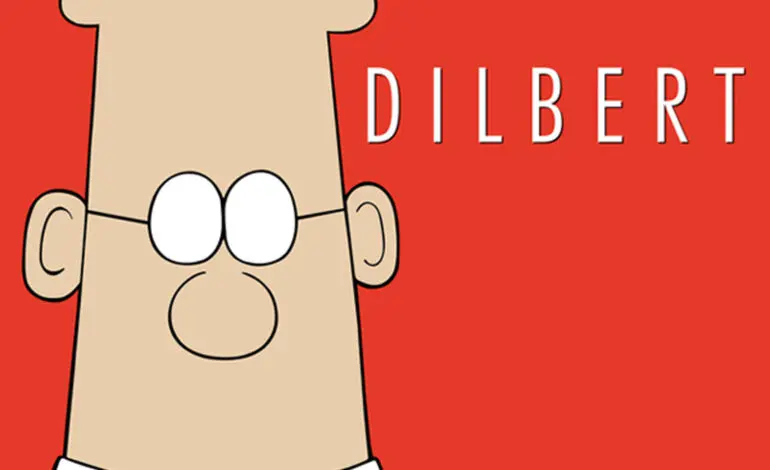
The Dilbert comic strip, created by Scott Adams in 1989, has been a long-standing portrayal of office culture and corporate absurdities. With its satirical humor and relatable characters, Dilbert brings attention to the often frustrating and absurd realities of the workplace. Its relevance is heightened in today’s fast-paced business world, where themes of work-life balance and corporate bureaucracy resonate deeply with employees across various sectors.
Recent Events and Context
In recent years, Dilbert has gained attention not just for its humor but for the controversies that have surrounded it. In 2022, Scott Adams faced significant backlash due to remarks he made that were viewed as racially insensitive. This drew criticisms from many quarters, including readers and media outlets, leading to a reevaluation of the comic’s place in modern culture. As several newspapers and platforms chose to drop the Dilbert strip from their publications, the comic’s future became a topic of heavy discussion within journalism and social commentary circles.
Despite the controversies, Dilbert continues to have a dedicated fan base that appreciates the series for its unique insights into office life. Recent strips have tackled themes of remote work and the shifting dynamics of workplace culture as companies adapt to new norms following the COVID-19 pandemic. The strip has addressed the challenges employees face with management, remote working issues, and the push for mental health awareness, reflecting wider societal changes.
Conclusion: The Future of Dilbert
As we move into a more digitally connected work environment, the Dilbert comic strip will likely continue to evolve and resonate with readers. Its ability to adapt to current workplace trends indicates a potential for reinvention that may keep it relevant in the years ahead. While some may move away from it due to its creator’s controversial comments, many still find value in the humor and critique it offers. The ongoing dialogue about workplace culture and the role of satire in social commentary proves that Dilbert remains a significant part of popular culture and business discussions. Looking forward, its ability to provide both humor and critique will determine its lasting impact in an ever-changing corporate landscape.