The Evolution and Implications of 5G Technology
Introduction to 5G Technology
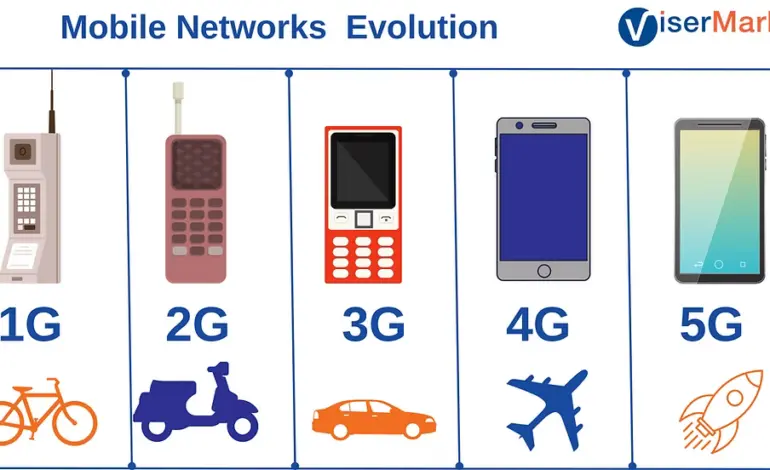
5G technology is revolutionizing the telecommunications landscape, offering significant advancements over its predecessor, 4G. With the potential to enhance connectivity and enable new applications, 5G is poised to impact various sectors including healthcare, transportation, and entertainment. The rollout of 5G networks is currently underway globally, making this a highly relevant topic for consumers and businesses alike.
The Current State of 5G Rollout
As of October 2023, numerous countries have made substantial strides in deploying 5G infrastructure. The United States, China, and several European nations are leading in the adoption of this technology. According to the Global Mobile Suppliers Association (GSA), over 180 commercial 5G networks are operational worldwide, with further expansions planned in urban and rural areas.
Major telecommunications companies, including Verizon, AT&T, and T-Mobile in the U.S., are competing to enhance their 5G offerings. They are continually upgrading their networks to achieve faster speeds, reduced latency, and greater bandwidth. In urban areas, 5G is expected to deliver speeds of up to 10 Gbps, dramatically increasing download times for users.
Applications of 5G Technology
5G technology is not just about faster phones; it supports a wide array of applications across different industries. In healthcare, it enables remote surgeries and telemedicine with real-time data transmission, improving patient outcomes. The transportation sector benefits from 5G-enabled smart vehicles that communicate with infrastructure to enhance safety and efficiency.
Another application is in the entertainment industry, where 5G permits seamless streaming of high-definition content, augmented reality (AR), and virtual reality (VR) experiences. This opens new avenues for gaming and interactive entertainment, appealing to tech-savvy consumers.
Challenges and Future Outlook
Despite its potential, the rollout of 5G faces challenges. Issues such as spectrum allocation, infrastructure investments, and cybersecurity concerns must be addressed. Additionally, some regions face geographical barriers that complicate network deployment.
Looking ahead, experts predict that as 5G networks become more widespread, they will trigger new innovations in the Internet of Things (IoT), artificial intelligence (AI), and smart cities. By 2025, it is estimated that three billion 5G subscriptions will be active worldwide, underscoring the technology’s significance.
Conclusion
In summary, 5G technology is set to transform how we connect and interact with the world around us. Its deployment promises to facilitate groundbreaking applications that can enhance daily life and drive economic growth. As deployments continue and technology evolves, both consumers and businesses can expect to experience the critical benefits that come with this next generation of connectivity.