The Crucial Role of Water Conservation Today
Introduction: The Lifeblood of Our Planet
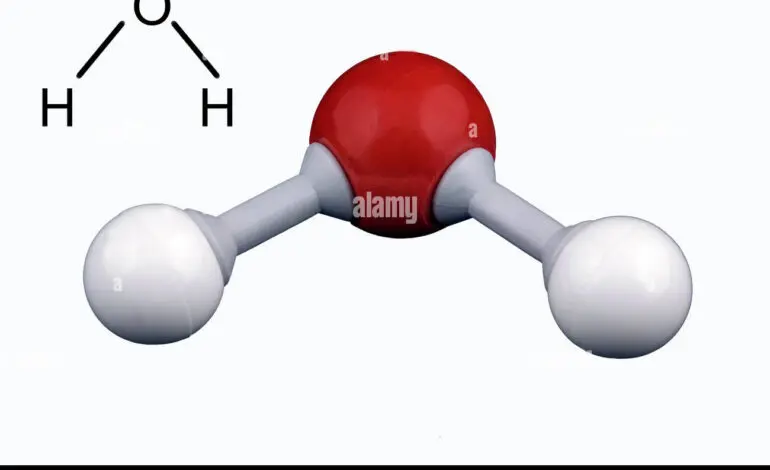
Water is not just a precious resource; it is the foundation of life on Earth. With growing populations, climate change, and increasing industrial demands, the importance of water conservation has surged to the forefront of global concerns. The ongoing droughts and water shortages in various regions demonstrate the urgent need for sustainable water management practices.
The State of Water Resources
According to the World Health Organization, more than 2 billion people worldwide lack access to safe drinking water. A report by the United Nations highlights that water scarcity affects more than 40 percent of people around the globe, an alarming statistic that emphasizes the fragility of our water supply. As temperatures rise and weather patterns shift, areas that once relied on ample rainfall are experiencing severe droughts, exacerbating the issue.
Key Events and Initiatives
In response to the growing water crisis, various initiatives have been launched globally. National governments and local communities are increasingly investing in water-saving technologies, like low-flow fixtures and smart irrigation systems. For instance, California, often at the mercy of severe drought, has implemented strict water use regulations which have significantly reduced consumption in the past few years.
Moreover, organizations like the United Nations are promoting Sustainable Development Goal 6, which aims to ensure availability and sustainable management of water and sanitation for all by 2030. These initiatives underscore the need for collaborative efforts in addressing water scarcity and ensuring every individual has access to clean water.
The Future of Water Conservation
As we look towards the future, the significance of water conservation is clearer than ever. With climate change projections indicating worsening water scarcity in many regions, it becomes imperative for individuals and communities to adopt sustainable practices. Simple actions, such as fixing leaks, using water-efficient appliances, and spreading awareness about water issues, can lead to substantial collective benefits.
Conclusion: A Collective Responsibility
Water conservation is not only essential for maintaining ecosystems and biodiversity but also crucial for human health and stability. The ongoing efforts to address water scarcity and promote sustainable usage must be supported by policy changes, education, and responsible consumer practices. Together, we can ensure that this precious resource is preserved for generations to come.