Abbas Araghchi Faces Dismissal Amid Turmoil in Iran’s Leadership
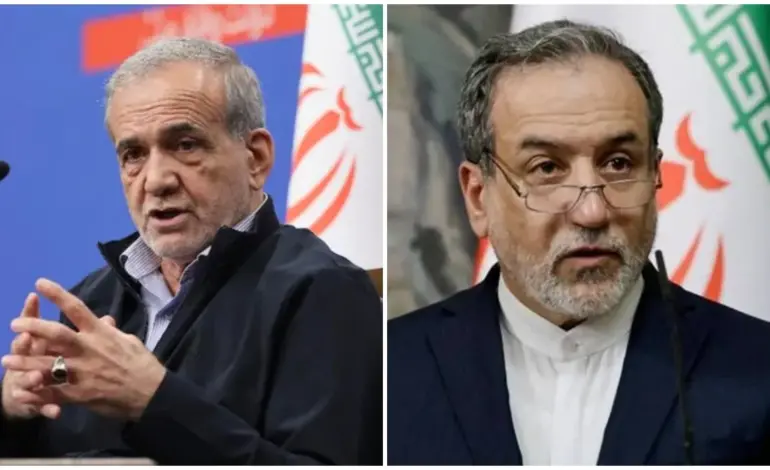
“Pezeshkian has told close associates that he will dismiss Araghchi if such conduct continues,” said a source close to President Masoud Pezeshkian. This statement underscores the growing tensions within Iran’s leadership regarding Abbas Araghchi, the Foreign Minister, as factions push for his ouster amid accusations of his alignment with the Revolutionary Guard.
Araghchi’s handling of Iran-US negotiations has drawn sharp criticism. Pezeshkian and Parliament Speaker Mohammad Bagher Ghalibaf are particularly vocal, claiming that Araghchi has acted more like an aide to Revolutionary Guard Commander Ahmad Vahidi than a cabinet minister. This is significant given the ongoing complexities surrounding Iran’s nuclear program and regional stability.
In recent developments, Araghchi coordinated directly with Vahidi without informing the president, raising alarms about internal governance. Ghalibaf himself resigned from the negotiating team after being reprimanded for including nuclear discussions in talks with the U.S., indicating deep-seated divisions regarding how Iran should approach these critical negotiations.
On April 24, Araghchi traveled alone to Islamabad to deliver Tehran’s proposal to Pakistani officials. However, the United States president rejected this proposal outright, further complicating Iran’s diplomatic standing. The Revolutionary Guards reportedly control key managerial positions in this tumultuous environment, suggesting a shift in power dynamics.
Yet, amidst this turmoil, Araghchi maintains that cooperation between Iran and Russia continues to expand amid regional uncertainty. He asserted that the United States failed to achieve its objectives in recent conflicts with Iran, reflecting a broader narrative of defiance against Western pressures.
Key facts:
- Iran’s leadership is facing internal rifts over Foreign Minister Abbas Araghchi’s handling of US negotiations.
- Pezeshkian and Ghalibaf are seeking Araghchi’s ouster due to perceived misalignment with state interests.
- A group of lawmakers aligned with hardline politician Saeed Jalili refused to support the negotiating team.
The ongoing situation illustrates not just a personal conflict but a larger struggle within Iranian politics—one where ideological divides shape foreign policy decisions. As divisions persist, one must wonder how these internal conflicts will affect Iran’s future interactions on the global stage.