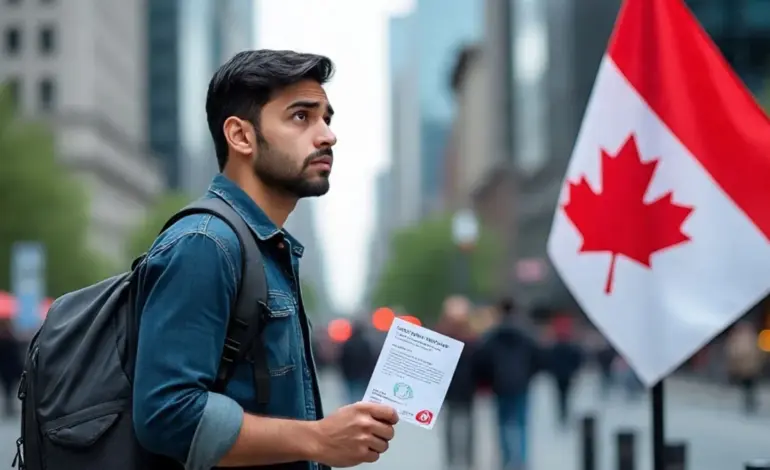
Jyoti Kharayat’s Instagram video highlights the relentless cycle of work and study faced by many international students in Canada. She embodies a growing trend—students juggling part-time jobs to manage tuition fees and living expenses.
Before this surge of social media narratives, many expected that studying abroad would be an enriching experience, often devoid of financial burdens. However, the reality is starkly different. Kharayat, like many of her peers, works at Starbucks to fund her education.
Her daily routine is a blur of classes and shifts, encapsulating the struggle to maintain balance. “I am stuck in a loop,” she shares—a sentiment echoed by countless international students who feel trapped in this exhausting cycle.
What changed? The decisive moment came when stories like Kharayat’s gained traction online. Her candid sharing resonated with many users on social media, shedding light on a hidden aspect of the international student experience.
Experts note that this phenomenon is not isolated. Many international students rely on part-time jobs to cover tuition fees and living costs. The financial pressures are immense—tuition rates continue to climb while opportunities for affordable housing dwindle.
Kharayat’s experiences reflect broader trends among her peers. Despite her hectic schedule, she expressed that she feels happy—a testament to resilience amidst adversity. Yet, can happiness truly offset the stress of constant juggling?
The impact on students is profound. They face not just academic challenges but also emotional tolls from their relentless routines. Still, there’s an undeniable sense of community among them—”We all need motivation from you,” one follower commented, emphasizing shared struggles.
As more stories emerge from students like Kharayat, it raises questions about the support systems available for international students. Are universities doing enough to address these financial strains?
This ongoing narrative invites reflection on what it means to study abroad today. It’s a balancing act that many undertake with hope yet face with uncertainty.
Ultimately, Kharayat’s story serves as both a personal account and a call to action for institutions to recognize and support the realities faced by their international student populations.