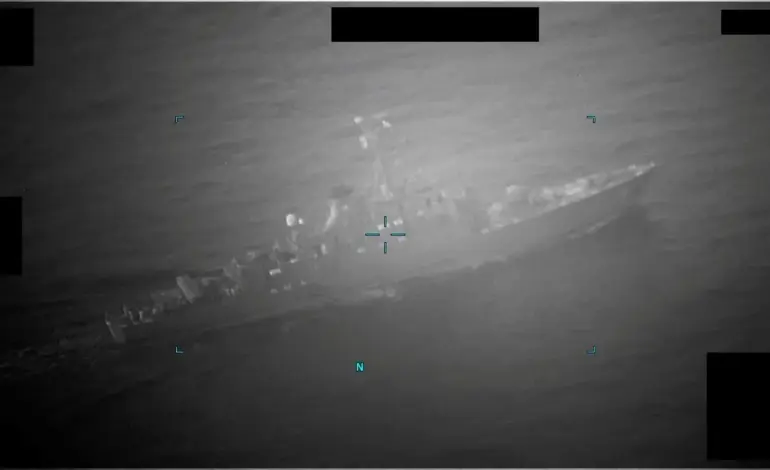
Two Indian-flagged ships were attacked in the Strait of Hormuz, prompting India to summon the Iranian ambassador. This incident marks a significant escalation in maritime tensions.
Reports indicate that gunfire from Iran’s Revolutionary Guards forced two vessels to turn back. Meanwhile, the tenth Indian-flagged vessel managed to cross the strait amid ongoing firing from Iranian gunboats.
The vessel Desh Garima, reportedly carrying crude oil, was en route to Mumbai port. This situation is particularly alarming given that Iran had previously allowed Indian vessels to navigate through the strait—only to block it again last month.
As of now, there are 499 Indian seafarers aboard various Indian-flagged vessels in the Persian Gulf region. In total, 2,487 seafarers have been evacuated by different shipping companies amid rising fears for their safety.
Vessels attempting to cross the Strait of Hormuz have received radio messages from Iran’s navy declaring they were not permitted to pass. Reports confirm that at least two ships were struck by gunfire during these tense confrontations.
Historically, this region has seen its share of conflicts, particularly since Iran’s war with the US and Israel began on February 28. The implications for maritime security are profound, especially for nations reliant on these critical shipping lanes.
Currently, several Indian and foreign-flagged ships remain stranded, waiting to cross into the strait. This reflects an increasingly precarious situation where safe passage is no longer guaranteed.
India has consistently reiterated its commitment to ensuring safe maritime passage for its vessels. Yet, with each passing day, the stakes rise higher as tensions mount.
Details remain unconfirmed regarding the full extent of damage or casualties resulting from these attacks. Observers are left pondering what this means for future shipping routes and regional stability.