IMD 2026 Monsoon Forecast: A Shift Towards Below Normal Rainfall
India’s monsoon forecast for 2026 has taken a surprising turn, with the India Meteorological Department (IMD) indicating that rainfall may be below normal at 92% of the long-period average. This forecast stands in stark contrast to earlier expectations, where a more favorable outlook was anticipated.
Prior to this announcement, the IMD had projected a near-normal monsoon, with rainfall expected to be around 96% of the long-period average in 2023. However, the latest forecast reveals a decisive shift, as the IMD warned for the first time in 11 years of a below normal southwest monsoon in its April forecast. This is a significant development, as it suggests a potential reduction in rainfall to only 92% of the Long Period Average (LPA) of 87 cm.
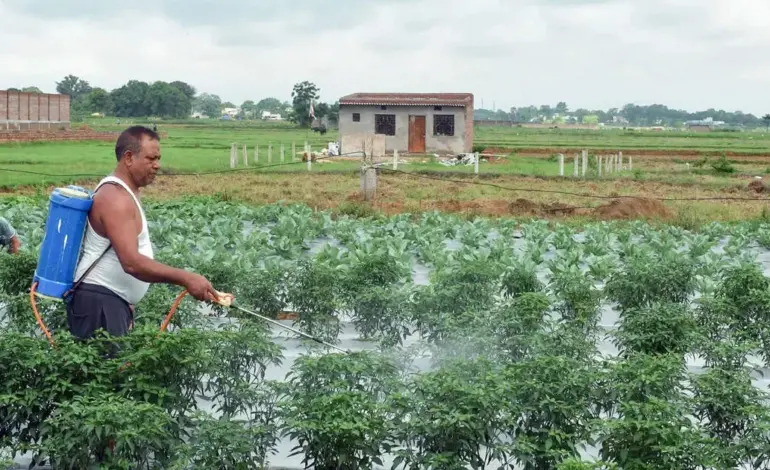
The implications of this forecast are profound, particularly for the agricultural sector, which relies heavily on the monsoon rains. Farmers may face challenges in crop production, leading to potential food security concerns. The last experience of reduced monsoon rainfall in 2023 serves as a reminder of the impact such forecasts can have on the livelihoods of millions.
Experts point to climate signals such as the transition from La Niña to a possible El Niño as influencing factors for this year’s forecast. The IMD’s warning echoes previous years, notably 2015, when a similar forecast of below normal rainfall at 93% of the LPA turned out to be an underestimate, with actual rainfall recorded at just 86%. This historical context raises questions about the reliability of long-term forecasts and the need for adaptive strategies in agriculture.
As the 2026 monsoon season approaches, stakeholders in agriculture and water management are urged to prepare for the potential impacts of below normal rainfall. The shift in the IMD’s forecast underscores the importance of monitoring climate patterns and adjusting expectations accordingly. While the immediate effects on agriculture and water resources are concerning, they also highlight the broader implications of climate variability on India’s economy and food security.
Details remain unconfirmed, but the IMD’s latest forecast serves as a critical reminder of the unpredictable nature of monsoon patterns in India. Stakeholders must remain vigilant and proactive in addressing the challenges posed by changing climate conditions.