Asia flights cancelled delayed: Asia Flights Cancelled and Delayed: 445 Cancellations and 3,839 Delays Hit Major Hubs
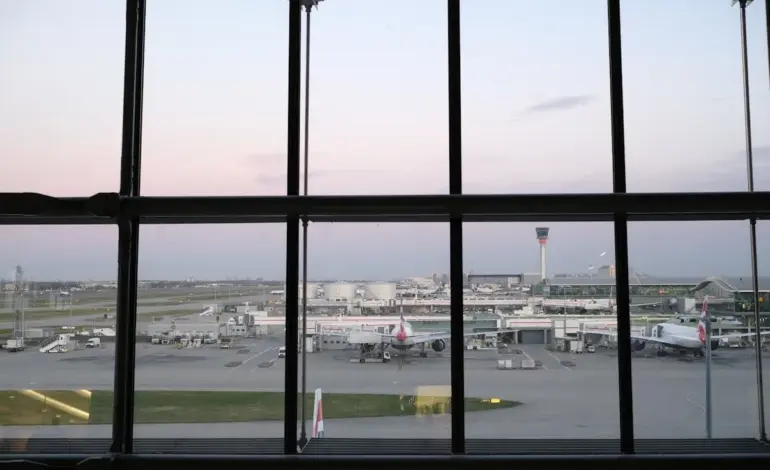
On April 12, Asia experienced a staggering wave of flight disruptions, with 445 cancellations and 3,839 delays reported across major international hubs. This chaos affected over 200,000 passengers, leaving many stranded and frustrated as they navigated the fallout from the operational turmoil.
The disruptions were particularly pronounced at key airports in Tokyo, Beijing, Jakarta, Jeddah, and Dubai. China Eastern Airlines emerged as the most affected carrier, grappling with significant cancellations that compounded the challenges faced by travelers. Meanwhile, Batik Air struggled with operational challenges in Jakarta, attributed to high-utilization schedules that left little room for error.
SpiceJet also reported widespread cancellations, particularly impacting connections within the Indian subcontinent. In Tokyo, ANA Wings absorbed a considerable number of delays, as congested terminals struggled to accommodate the influx of passengers needing rebooking and assistance. The average delay duration exceeded 180 minutes, with some flights experiencing delays of over eight hours.
Passengers found themselves facing extended layovers, and hotel accommodations near major Asian hubs quickly sold out as travelers sought refuge from the chaos. Airlines indicated that it would take 48 to 72 hours to clear the backlog of passengers and aircraft, highlighting the scale of the operational challenges they faced.
Underlying these disruptions were geopolitical tensions and airspace constraints that have increasingly complicated air travel in the region. Middle Eastern airspace restrictions have forced European-Asia routes into extended detours, draining aircraft availability and crew rotations. This operational stress has been compounded by elevated fuel costs and crew shortages, creating a perfect storm for airlines.
As the situation unfolded, observers noted that the cumulative effects of these disruptions could lead to recurring chaos in the coming weeks. The recovery trajectory of the airline network remains uncertain, with disruptions potentially recurring weekly until structural conditions improve. Details remain unconfirmed.
In the wake of this turmoil, airlines are advising passengers to allow for at least four hours between connecting flights to mitigate the impact of potential delays. As the industry grapples with these challenges, the focus will be on how quickly airlines can adapt and restore normalcy to their operations.