Who is involved
Before the current wave of speculation regarding a potential lockdown in India, the nation was slowly returning to a sense of normalcy following the nationwide lockdown that was formally announced on March 24, 2020. This lockdown was a drastic measure aimed at curbing the spread of Covid-19, which had significant impacts on both the economy and daily life. As of February 2, 2026, India reported only seven active Covid-19 infections, a stark contrast to the overwhelming numbers seen during the peak of the pandemic.
However, recent developments have sparked renewed fears reminiscent of the earlier lockdown days. The ongoing conflict in West Asia has raised concerns about supply chains and energy flows, leading to a spike in searches for “lockdown in India.” This surge in interest appears to be driven by the haunting memories of the 2020 lockdown announcement, causing many to question whether the government might consider similar measures in light of current global uncertainties.
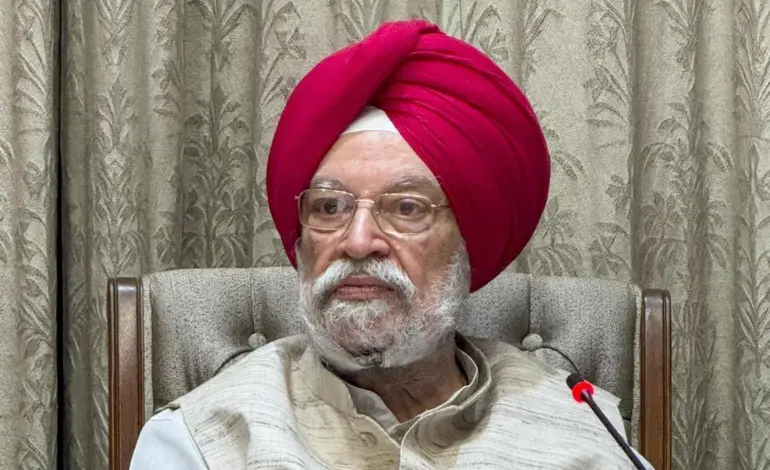
In response to these fears, Union Minister Hardeep Singh Puri has made it clear that there is no proposal for a lockdown in India. He stated, “The global situation remains in flux, and we are closely monitoring developments,” emphasizing the government’s commitment to ensuring stability. Finance Minister Nirmala Sitharaman echoed this sentiment, reassuring the public that there will not be a lockdown akin to the one experienced during the height of the pandemic. She firmly declared, “There shall not be any lockdown,” and labeled the rumors as baseless.
The direct effects of this reassurance are significant. The government’s stance aims to alleviate public anxiety and maintain consumer confidence, which is crucial for economic recovery. The fear of a lockdown can lead to panic buying and disruptions in daily life, as witnessed in 2020. By dismissing these rumors, officials hope to stabilize the market and prevent unnecessary disruptions.
Experts suggest that the government’s proactive communication strategy is essential in managing public perception. The memories of the 2020 lockdown are still fresh, and the psychological impact of such measures can linger long after they are lifted. Prime Minister Modi has emphasized the importance of resilience, stating, “India is therefore accelerating all the resilience-building measures that have been undertaken over the past years.” This reflects a broader strategy to bolster the economy against external shocks while ensuring that essential services remain uninterrupted.
Furthermore, the government is closely monitoring developments related to energy supplies, particularly given that the Strait of Hormuz is a critical route for nearly 20% of the world’s oil and gas supplies. Modi has warned of serious consequences if global disruptions persist due to the ongoing war, highlighting the interconnectedness of global events and local economies. The government is taking steps to ensure uninterrupted availability of fuel and energy supplies, which is vital for both industry and consumers.
In summary, while the specter of a lockdown looms in the minds of many, the Indian government has firmly stated that there are no plans for such measures. With the current low Covid-19 infection rates and a focus on economic resilience, officials are working to reassure the public and maintain stability in the face of global uncertainties. As the situation evolves, the government’s commitment to monitoring developments will be crucial in navigating the challenges ahead. Details remain unconfirmed.