Alireza Tangsiri: A Turning Point in Iran’s Naval Strategy
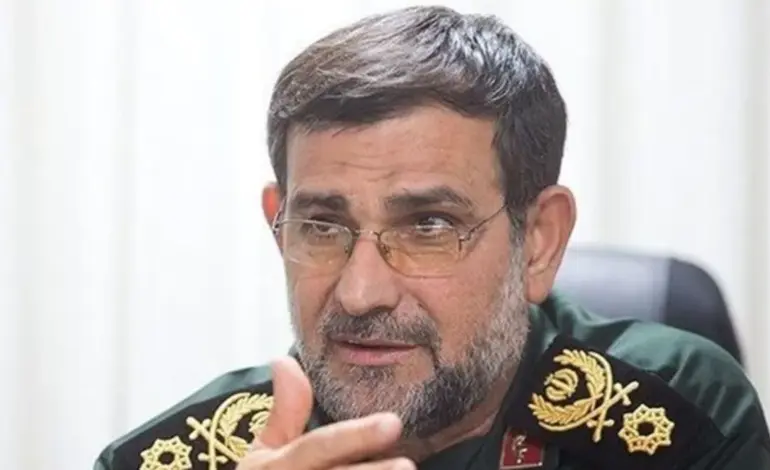
Before the recent Israeli strike, Alireza Tangsiri was a formidable figure in Iran’s naval strategy, having led the Islamic Revolutionary Guard Corps’ Navy since August 2018. His aggressive tactics and threats against US facilities in the region were well-known, as he oversaw a significant buildup of naval capabilities and directed operations against oil tankers and commercial vessels.
However, the landscape shifted dramatically on March 26, 2026, when Tangsiri was killed in a targeted Israeli strike in Bandar Abbas at 3 a.m. local time. This decisive moment not only eliminated a key player in Iran’s military hierarchy but also marked a significant escalation in the ongoing conflict across West Asia.
The immediate effects of Tangsiri’s death are profound. His leadership had been pivotal in enforcing Iran’s maritime strategy, particularly regarding the closure of the Strait of Hormuz, through which one-fifth of global oil and gas trade passes. His absence raises questions about the future direction of the IRGC Navy and Iran’s broader military posture.
Expert voices highlight the implications of this shift. Israeli officials have noted that Tangsiri was ‘responsible for the closure’ of the Strait, indicating that his removal could alter the dynamics of maritime security in the region. Benjamin Netanyahu stated, “We continue to strike the targets of the Iranian terror regime with force,” underscoring Israel’s commitment to countering Iranian influence.
Moreover, Alireza Tangsiri’s aggressive stance had led to heightened tensions with the United States and its allies. His threats to target oil facilities associated with America reflect a broader strategy that now faces uncertainty following his death. As Tangsiri himself warned, “Our list of targets is updated. Oil facilities associated with America are now on par with American bases and will come under fire with full force.”
Details remain unconfirmed regarding the exact circumstances of Tangsiri’s death, and the impact on the ongoing conflict remains unclear. Nevertheless, this event signals a potential shift in the balance of power in the region, with implications that could resonate far beyond the Strait of Hormuz.
As the situation unfolds, the international community watches closely, aware that the stakes are high in a region already fraught with tension. The death of Tangsiri could lead to a recalibration of strategies among both Iranian and Israeli forces, as well as their respective allies.