Pm sym: Understanding the PM-SYM Scheme: A Lifeline for India’s Unorganized Workers
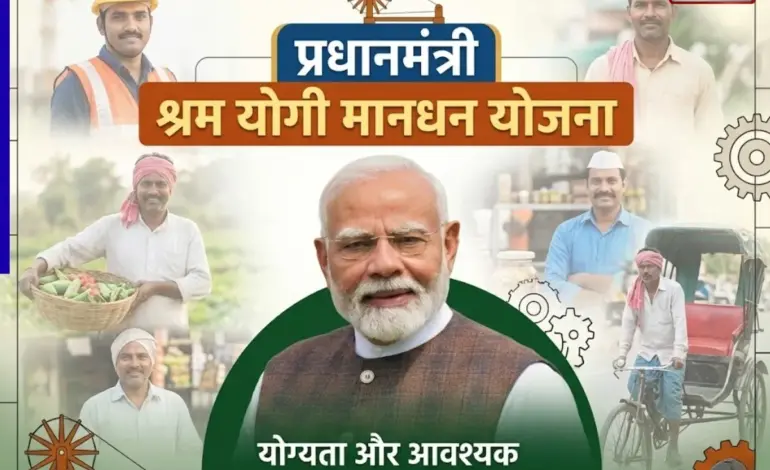
The PM-SYM scheme, launched in 2019, is a pivotal initiative aimed at providing financial security to unorganized sector workers in India. This scheme offers a monthly pension of up to ₹3000 to eligible participants after they reach the age of 60, addressing a significant gap in retirement benefits for this demographic.
To qualify for the PM-SYM scheme, applicants must be aged between 18 to 40 years and have a monthly income of less than ₹15000. This targeted approach ensures that the scheme reaches those who are most in need of support, particularly laborers and workers who typically lack access to traditional retirement savings plans like the Employees’ Provident Fund (EPF) or the National Pension System (NPS).
Participants are required to contribute monthly to the scheme, which not only fosters a sense of ownership but also encourages regular savings among workers who may otherwise struggle to set aside funds for their future. In the unfortunate event of a beneficiary’s death, the scheme provides for the spouse, who will receive half of the pension amount, ensuring continued support for the family.
Since its inception, the PM-SYM scheme has been viewed as a significant step towards enhancing social security for unorganized workers, a group that constitutes a substantial portion of India’s labor force. This demographic often faces precarious working conditions and lacks the safety nets available to their organized counterparts.
As the scheme continues to evolve, observers are keenly watching its implementation and the extent to which it can alleviate poverty among the unorganized sector. The effectiveness of the PM-SYM scheme will ultimately depend on its ability to reach eligible workers and ensure they are aware of their rights and benefits under the program.
Details remain unconfirmed regarding the total number of beneficiaries currently enrolled in the scheme, but early reports suggest a growing interest among eligible workers. The government’s ongoing efforts to promote the scheme through various outreach programs may further enhance participation rates.
In conclusion, the PM-SYM scheme represents a crucial development in India’s social welfare landscape, aiming to provide a safety net for those who have historically been overlooked in terms of retirement planning. As the program matures, its impact on the lives of unorganized workers will become increasingly evident, potentially setting a precedent for future social security initiatives in the country.