Delhi Weather: Unseasonal Rainfall and Temperature Drops
The wider picture
Delhi’s weather is currently under the influence of a western disturbance, a meteorological phenomenon typical for this time of year in northern India. This system has brought unexpected rainfall starting March 18, 2026, accompanied by thunderstorms and gusty winds. The Indian Meteorological Department (IMD) has issued a yellow alert for the capital, warning residents of possible weather disruptions from March 18 to 20.
Prior to the onset of rain, Delhi was experiencing high daytime temperatures around 33°C, which is quite typical for late March. However, the forecasted rainfall is expected to provide a temporary reprieve from the heat, with daytime temperatures predicted to drop to around 29°C on March 19, and further to 27°C on March 20. Nighttime lows are also expected to fall, reaching 19°C on March 19 and 17°C on March 20.
On March 19, the average precipitation recorded was 9.4 mm, marking it as the wettest March day since 2023. This rainfall not only brings down the temperatures but also contributes to an improvement in Delhi’s air quality index (AQI), which saw a notable drop to 137, categorizing it as ‘moderate’. Such improvements are crucial for a city often plagued by pollution.
Mahesh Palawat, a meteorologist, noted that the western disturbance is currently positioned over North Pakistan and adjoining Jammu and Kashmir, leading to heavy rainfall in the western Himalayan regions. He also mentioned that the pre-monsoon activity has arrived earlier than usual, which could indicate shifts in seasonal weather patterns.
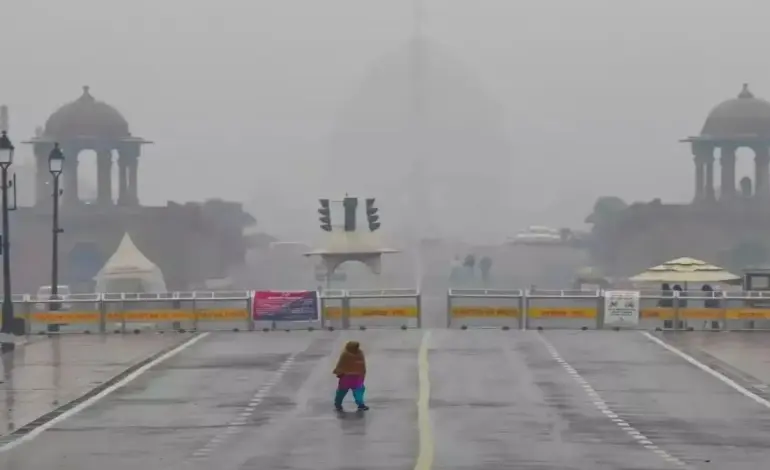
Interestingly, the weather conditions have led to a peculiar overlap of winter-like mornings and pre-summer afternoons. Fog was reported in Delhi due to a mix of rain-soaked air and overnight cooling, with minimum temperatures dropping sharply to 13 degrees Celsius. This unusual weather pattern has caught the attention of both meteorologists and residents alike.
Looking ahead, the IMD predicts another spell of rain could hit the capital early next week, suggesting that the current weather disruptions may not be a one-off event. Observers are keenly watching these developments, as temperatures in Delhi are currently running below what is typical for late March, raising questions about the implications for the upcoming summer season.
The yellow alert issued by the IMD serves as a reminder for citizens to remain cautious while commuting or planning outdoor activities during this period of unpredictable weather. As the city grapples with these changes, the impact on daily life and health remains a topic of concern for many.