What We Know About Havana Syndrome and Its Implications
Introduction to Havana Syndrome
Havana Syndrome refers to a series of unexplained medical symptoms reported by diplomats and intelligence officers, primarily associated with U.S. embassies in Havana, Cuba. First documented in late 2016, the syndrome has become a significant concern for public health and national security. With ongoing investigations into its causes and effects, understanding Havana Syndrome is crucial, especially for the safety of diplomats and government officials worldwide.
Symptoms and Reports
Individuals affected by Havana Syndrome have reported experiencing a range of symptoms, including headaches, dizziness, hearing loss, and cognitive difficulties. These symptoms can manifest suddenly, leading to significant concern among those deployed in high-risk regions. In total, several hundred cases have been documented not only in Cuba but also in other countries, thus indicating a broader potential risk beyond the initial location.
Recent Developments and Investigations
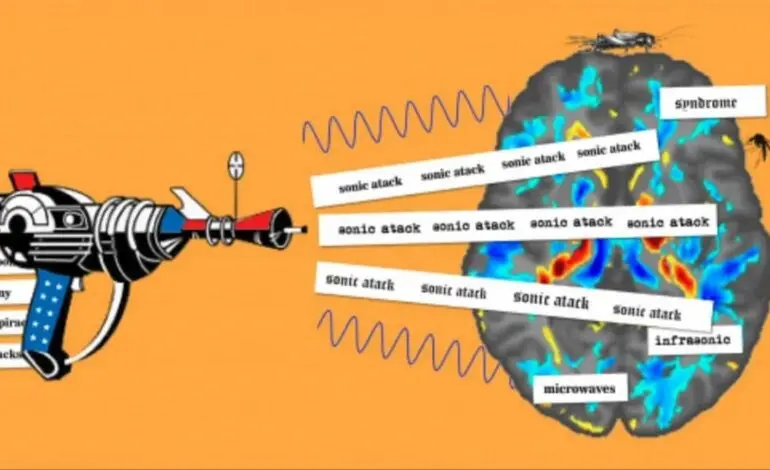
Multiple investigations have been conducted since the onset of reported cases, including studies by the CIA and the State Department. Recent findings in late 2022 indicated that some officials displayed physical changes in their brain structure, supporting the idea that Havana Syndrome may have neurological roots. Despite various theories, including psychological origins or exposure to toxins or directed energy, no definitive cause has been established as of October 2023.
Global Response and Implications
The U.S. government’s response to Havana Syndrome has included increased medical support for affected individuals and enhanced security measures for diplomats. These steps represent an acknowledgment of the syndrome’s potential severity and the need for protective strategies. Moreover, the syndrome has reignited debates about diplomatic security and the health monitoring of officials in foreign countries. Countries with U.S. embassies are now closely scrutinized for environmental threats, leading to a reevaluation of where and how diplomats are stationed worldwide.
Conclusion: The Ongoing Mystery
As investigations into Havana Syndrome continue, the significance of understanding its impact cannot be understated. With the potential to affect international relations and the safety of diplomatic missions, further research is vital. Experts have called forwide-ranging studies to explore the syndrome’s origins thoroughly. Moving forward, international cooperation and transparency surrounding these incidents will be essential, not only to protect diplomats but also to demystify the complexities of Havana Syndrome.