Understanding Winter Weather Warnings and Their Importance
Introduction
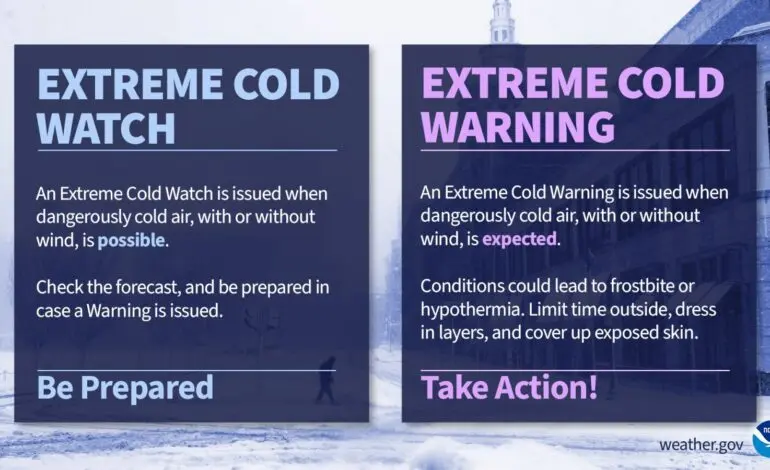
As temperatures plummet and snowfall begins, winter weather warnings have become a crucial part of our seasonal information landscape. These warnings, issued by meteorological organizations, are essential for keeping the public safe during periods of extreme weather. Understanding the different types of warnings and how to respond appropriately can help individuals and families prepare for severe winter conditions.
Types of Winter Weather Warnings
Winter weather warnings can encompass a variety of conditions including snow, ice, and extreme cold. The National Weather Service (NWS) categorizes these alerts into several types:
- Winter Storm Warning: Issued when significant winter weather is expected to occur. This includes heavy snow or ice accumulation that may lead to hazardous conditions.
- Ice Storm Warning: Indicates that significant ice accumulation is expected, which can create dangerous driving conditions and widespread power outages.
- Winter Weather Advisory: Alerts the public to potentially hazardous winter conditions that do not meet warning criteria, yet could still pose risks.
- Blizzard Warning: Declared when sustained winds or frequent gusts of 35 mph or more are expected, combined with considerable snowfall reducing visibility to less than a quarter mile.
Current Winter Weather Developments
As of late November 2023, meteorologists are tracking a significant winter storm system moving across the Midwest and Northeast of the United States. Numerous states have already issued winter weather warnings, with expected snowfall reaching up to 12 inches in some areas, particularly higher elevations. The National Weather Service has emphasized the importance of staying off the roads during the worst of the storm and checking in on vulnerable community members, particularly the elderly and those with mobility challenges.
How to Prepare for Winter Weather
Preparedness is key in facing winter weather warnings effectively. Here are several tips to remain safe:
- Stay Informed: Continuously monitor local weather channels and the NWS website for the latest updates and warnings.
- Emergency Kit: Keep a winter emergency kit in your home and car, stocked with essentials such as food, water, blankets, medications, and a flashlight.
- Travel Wisely: If travel is unavoidable, ensure your vehicle is winter-ready. This includes checking antifreeze levels, tires, and brakes.
Conclusion
Winter weather warnings play a vital role in community safety during the cold months. With the increasing unpredictability of severe weather patterns, staying informed and prepared can make all the difference. As we venture into this winter season, keeping track of weather alerts and understanding how to respond is more crucial than ever for ensuring the safety of ourselves and our loved ones.