Understanding Fire Weather Watches: Importance and Implications
Introduction to Fire Weather Watches
As the climate continues to change, the frequency and severity of wildfires are on the rise. Fire weather watches play a crucial role in alerting communities about conditions that can lead to uncontrolled wildfires. With summer approaching, it’s important for residents in vulnerable areas to understand what these alerts mean and how to prepare for them.
What is a Fire Weather Watch?
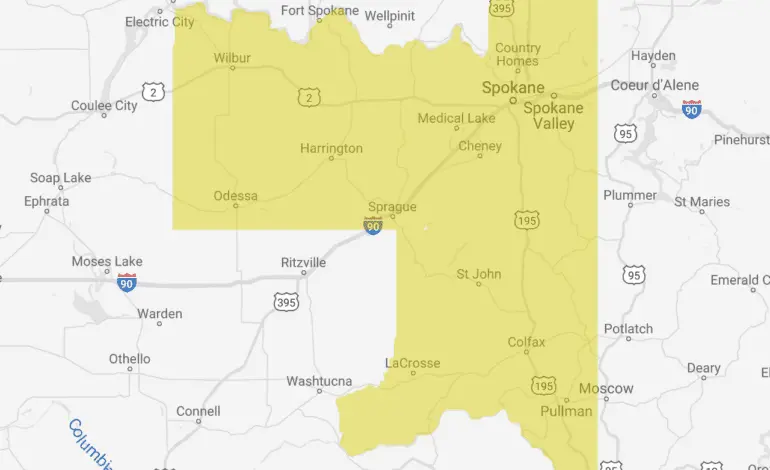
A fire weather watch is issued by meteorological and environmental agencies to indicate that critical weather conditions are expected. These conditions may include high temperatures, low humidity, and strong winds, which combine to create an environment conducive to wildfires. While a watch does not mean that a fire is currently burning, it serves as a warning to take precautionary measures.
Current Events and Recent Alerts
Recently, the National Weather Service (NWS) has issued multiple fire weather watches across various states, including California, Texas, and New Mexico, due to escalating temperatures and dry conditions. For example, during the first week of October 2023, California faced several fire weather watches as high-pressure systems elevated the risks of fire outbreaks in Southern California. These alerts are particularly relevant for residents living near wooded areas or in regions known for past wildfires.
Preparing for a Fire Weather Watch
If you live in an area affected by a fire weather watch, it is essential to take sensible precautions. Authorities recommend ensuring that you have an emergency plan in place, which includes having an evacuation route and an emergency kit ready. It’s also vital to maintain defensible space around property by clearing away dried leaves, branches, and other flammable materials.
Conclusion: The Importance of Awareness
As fire weather watches become more frequent due to climate change, the need for community preparedness grows increasingly vital. Being aware of these alerts and their implications can significantly reduce the risk of tragedy and loss from wildfires. By staying informed and proactive, communities can work together to minimize the impact of wildfires and ensure the safety of residents and wildlife alike. In the coming months, staying vigilant and understanding fire weather watches will be pivotal as wildfire risks continue to rise across the United States.