Flu Symptoms: Recognizing the Signs of Influenza
Introduction
Flu symptoms are an essential aspect of public health, especially during peak influenza seasons. The flu, or influenza, is a contagious respiratory illness caused by influenza viruses, impacting millions of people each year. Understanding the symptoms of the flu is vital for timely diagnosis and treatment, as well as preventing its spread.
Common Symptoms of the Flu
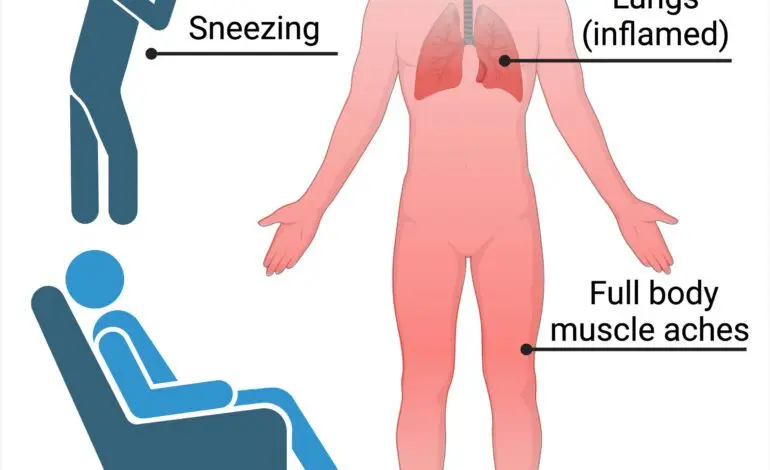
Flu symptoms often come on suddenly and can vary in severity from mild to severe. Common symptoms include:
- Fever or chills: A high fever is one of the most indicative signs of the flu, though not everyone with the flu will have a fever.
- Cough: A dry, persistent cough is common, which can worsen and lead to chest discomfort.
- Sore throat: Many flu sufferers report a scratchy or sore throat due to inflammation.
- Runny or stuffy nose: Congestion is a prevalent symptom that can lead to sinus discomfort.
- Muscle or body aches: Flu can cause aches in various muscle groups, contributing to overall discomfort.
- Fatigue: Severe tiredness often accompanies the flu, making it difficult to perform daily tasks.
- Headaches: Many individuals report headaches, which can range from moderate to severe.
- Vomiting and diarrhea: While more common in children, gastrointestinal symptoms can occur with the flu.
Public Health Significance
The flu virus spreads primarily through respiratory droplets when an infected person coughs, sneezes, or talks. Therefore, recognizing flu symptoms is crucial not only for individual health but also for preventing outbreaks. Public health campaigns emphasize vaccination and hygiene practices as effective strategies to reduce influenza transmission.
Conclusion
In summary, recognizing flu symptoms is a vital component in managing health during flu season. With the flu impacting a significant percentage of the population annually, timely awareness of symptoms can lead to early intervention and care. As we move through the annual flu seasons, it’s important to stay informed, get vaccinated, and take precautionary measures to protect ourselves and the community.