Understanding the Superstitions Surrounding Friday the 13th
Introduction
Friday the 13th is widely regarded as an unlucky day, steeped in superstition and cultural beliefs. This unique convergence of the day of the week and the numeral in Western cultures has prompted curiosity and fear, leading many to avoid significant actions on this day. Its relevance is not only historical, but also affects contemporary society, through its representation in media, commerce, and personal decision-making.
The Origins of the Superstition
Historically, the fear of Friday the 13th is thought to emerge from various sources. One significant association is the biblical reference to the Last Supper, where 13 individuals were present, leading to the betrayal of Jesus by Judas Iscariot on a Friday. Furthermore, the number 13 has long been perceived as ominous, with evidence of fear surrounding it dating back to ancient Rome. In Norse mythology, a tale recounts how Loki, the trickster god, was the 13th guest at a feast, leading to chaos.
Modern Interpretations and Impact
In contemporary society, the fear of Friday the 13th is often manifest in various forms, including a noticeable decrease in business activity—particularly in the travel and tourism sectors, where people may avoid booking flights or hotels. Many hotels will skip the 13th floor entirely in building design, opting instead to label it as the 14th floor. Major events, weddings, and surgeries are commonly rescheduled, illustrating the day’s perceived influence on fortune.
Friday the 13th in Popular Culture
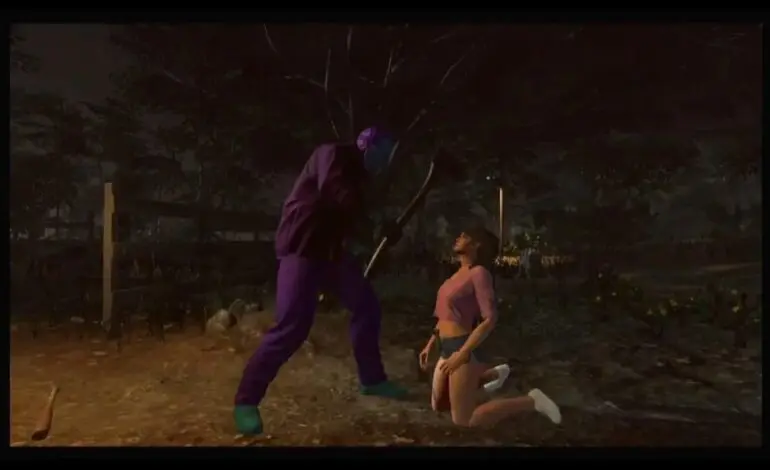
The significance of Friday the 13th has transcended superstition into popular culture, giving rise to a franchise of horror films that began in the late 1970s. The films have not only contributed to the fear surrounding this day but have also cemented it in public consciousness as a symbol of horror and superstition. The annual recurrence of the date prompts a mixed response—from Halloween-like celebrations to outlandish marketing campaigns designed to tap into the fear.
Conclusion
Friday the 13th remains a fascinating topic of discussion and analysis, embodying cultural fears and societal behaviors. Whether viewed as a day of bad luck or an amusing superstition, its impact is real, supporting the argument that deeply rooted beliefs can significantly affect human behavior and decision-making. As future occurrences of Friday the 13th approach, it is likely to inspire both apprehension and playful engagement among individuals and communities alike.