Tesla’s Role in Revolutionizing the Electric Vehicle Industry
Introduction
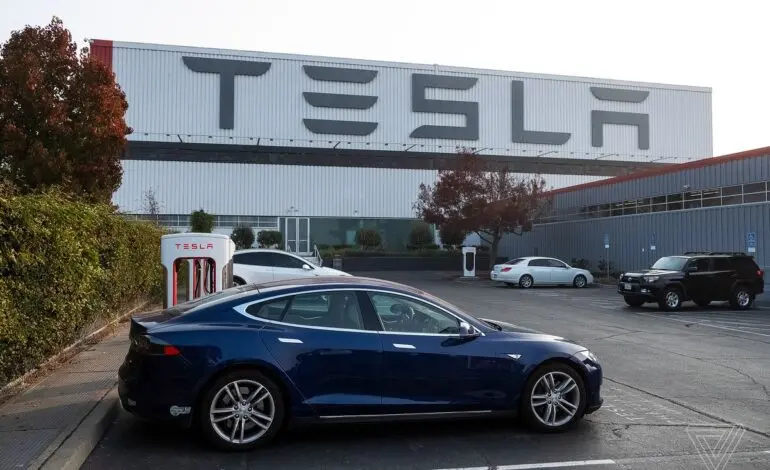
Tesla, Inc. has rapidly emerged as a pivotal player in the electric vehicle (EV) industry, transforming how the world perceives electric transportation. Founded in 2003 by engineers Martin Eberhard and Marc Tarpenning, the company gained prominence under the leadership of CEO Elon Musk. With a mission to accelerate the world’s transition to sustainable energy, Tesla has played a crucial role in pushing electric vehicles into the mainstream. As environmental concerns rise and technology advances, understanding Tesla’s innovations and their impact on the automotive industry is more relevant than ever.
Recent Developments and Innovations
This year, Tesla made headlines with the launch of its highly anticipated Cybertruck, an all-electric pickup designed to blend utility with performance. The vehicle, often described as futuristic, boasts impressive specifications, including a range of over 500 miles and enhanced towing capabilities. Since its unveiling, pre-orders have surged, signaling strong consumer interest despite initial skepticism regarding its design.
In addition to the Cybertruck, Tesla continues to expand its existing lineup, which includes the Model S, Model 3, Model X, and Model Y. The company has recently announced plans to enhance its production capabilities in Gigafactories located in Texas and Berlin. These facilities aim to boost global manufacturing efficiency while reducing delivery times for customers.
Market Trends and Challenges
The global electric vehicle market is evolving rapidly, driven by increasing environmental legislation, consumer demand for sustainable transportation, and the continuous improvements in battery technology. As of 2023, Tesla maintains a significant market share in the U.S. EV market, despite emerging competition from traditional automotive giants and new startups alike. Rivals like Ford and General Motors are investing heavily in electric technologies, demonstrating the high stakes amid this green revolution.
However, challenges persist, including supply chain disruptions and rising raw material costs for batteries. Tesla, like others, must navigate these obstacles while maintaining aggressive growth targets. The company’s ongoing advancements in autonomous driving technology and energy solutions, like solar products and home battery storage, provide additional avenues for growth and innovation.
Conclusion
Tesla’s influence on the electric vehicle landscape is undeniable. By continuously innovating and expanding its offerings, Tesla is not just competing but also shaping the future of sustainable transport. With its expansion into new vehicle categories and advancements in technology, the company is well-positioned to remain a leader in an increasingly competitive market. As Tesla works to overcome challenges and capitalize on opportunities, consumers and investors alike are eager to see how the electric vehicle revolution unfolds in the coming years.