Understanding the Current Situation in Sri Lanka: 2023 Updates
Introduction
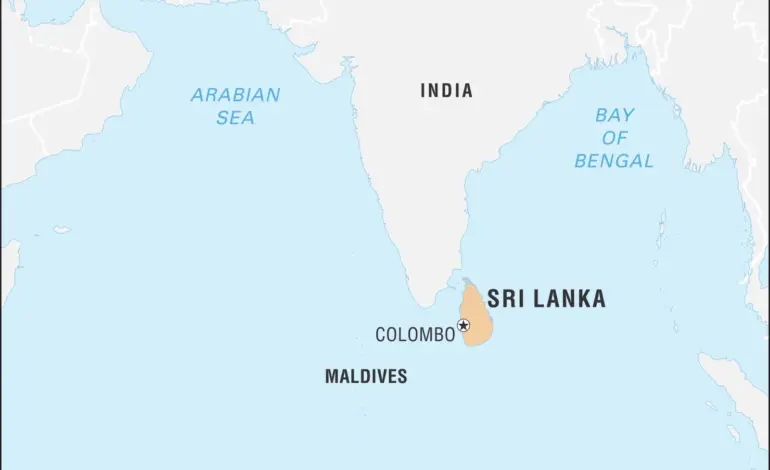
Sri Lanka, an island nation in South Asia, has been experiencing significant economic and political turmoil. The recent challenges have made headlines globally, drawing attention to its implications on governance, economy, and the well-being of its citizens. Understanding the current situation in Sri Lanka is crucial as it sheds light on broader trends in the region, including the impacts of economic policy, governance, and international relations.
Current Economic Challenges
As of 2023, Sri Lanka is grappling with the aftermath of a severe economic crisis that peaked in 2022. The country’s inflation rate soared to over 70%, and food shortages became commonplace as the government struggled to manage foreign debt while maintaining essential services. The agricultural sector, a pillar of the country’s economy, faced further distress following the abrupt transition to organic farming initiated in 2021, which led to reduced crop yields and increased hunger among the population.
Political Climate
The political landscape of Sri Lanka remains unstable. In April 2022, mass protests erupted, leading to the resignation of President Gotabaya Rajapaksa. In July 2022, Ranil Wickremesinghe took over as acting President, amid significant public discontent over the handling of the economic crisis. Despite his efforts to stabilize the economy, including negotiations with the International Monetary Fund (IMF) for a bailout package, public trust in the government remains low, and ongoing protests demand accountability and reforms.
International Relations
Internationally, Sri Lanka’s situation has strained its relationships, particularly with countries such as India and China, both of which have a vested interest in the country. India’s aid to Sri Lanka has been crucial in addressing immediate humanitarian needs, while China remains a significant creditor, with concerns over debt distress and potential loss of sovereignty. Sri Lanka’s strategic position in the Indian Ocean further complicates its diplomatic engagements, balancing power dynamics in the region.
Future Outlook
Looking ahead, the future of Sri Lanka is uncertain. The government’s ability to implement effective economic recovery measures and political reforms will be critical in stabilizing the nation. Economic recovery is likely to take several years, requiring both domestic effort and international support. For readers and global stakeholders, understanding Sri Lanka’s journey through crisis can provide important lessons in resilience and governance, with implications that stretch beyond its borders.
Conclusion
The current situation in Sri Lanka is complex, marked by economic hardship and political instability. As the nation navigates these challenges, the resilience of its people and the responsiveness of its leaders will be pivotal in determining the path forward. Continued international observation and engagement may help facilitate recovery efforts and restore hope for a brighter future.