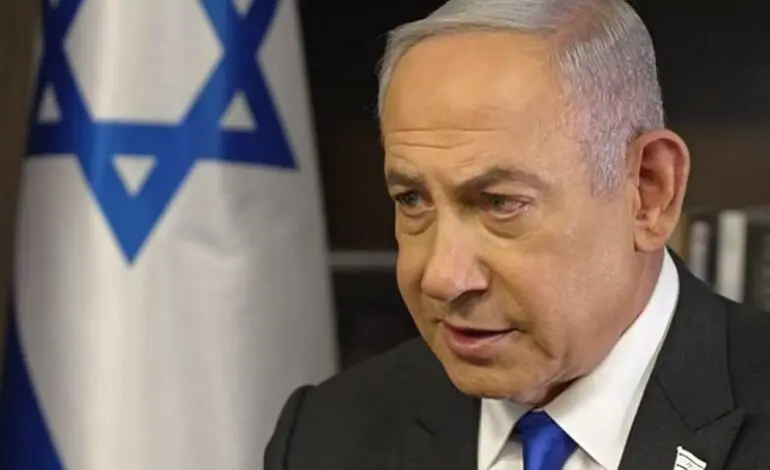
Understanding Netanyahu’s Leadership and Current Politics
Introduction
Benjamin Netanyahu, the long-serving Prime Minister of Israel, has been a pivotal figure in Israeli politics for decades. His leadership has attracted both fervent support and significant opposition. As the nation grapples with internal challenges and regional dynamics, understanding Netanyahu’s role is crucial to comprehending the current political landscape of Israel.
Political Background
Netanyahu first became Prime Minister in 1996 and has held the position multiple times, most recently starting from late 2022. His leadership is marked by a focus on security, conservative economic policies, and a strong stance against Iran and Palestinian militant groups. His approach has often polarized public opinion, leading to widespread protests and significant political strife in recent years.
Recent Developments
In recent months, Netanyahu has faced considerable pressure due to ongoing protests against his proposed judicial reforms, which critics argue undermine the independence of the judiciary. These reforms aim to limit the powers of the Supreme Court and give the government greater control over judicial appointments. The proposed changes have sparked mass protests, as thousands of Israelis take to the streets to voice their opposition, calling for the preservation of democratic institutions. The protests have been one of the largest movements in recent Israeli history, uniting a broad spectrum of society, including former military personnel, reservists, and civil society groups.
International Relations
On the international front, Netanyahu’s administration has been actively fostering relationships with various countries, leading to new agreements and dialogues in the Middle East. For instance, the normalization of relations with several Arab nations through the Abraham Accords has been a hallmark of his foreign policy. However, his approach to the Israeli-Palestinian conflict remains controversial, as he insists on maintaining strong security measures while facing criticism for settlement expansions in the West Bank.
Conclusion
Netanyahu’s leadership continues to evolve amid significant internal and external pressures. The outcome of his judicial reforms and responses to public dissent will be crucial in determining his legacy and the future political landscape in Israel. As protests persist and international dynamics shift, the global community watches closely to see how Israel navigates these turbulent waters. The extent to which Netanyahu can maintain his grip on power while addressing the legitimate concerns of the populace will shape not only his administration but also the broader democratic fabric of the nation.