Eli Manning: A Look at His Legacy and Philanthropic Efforts
Introduction
Eli Manning, a two-time Super Bowl champion and former quarterback for the New York Giants, is celebrated not just for his on-field accomplishments but also for his contributions off the field. His career in the NFL has left an indelible mark on the sport, making him a noteworthy figure in American football. In recent years, Manning has continued to influence the community through various philanthropic efforts and public engagements, cementing his status as a respected personality beyond his athletic career.
Career Highlights
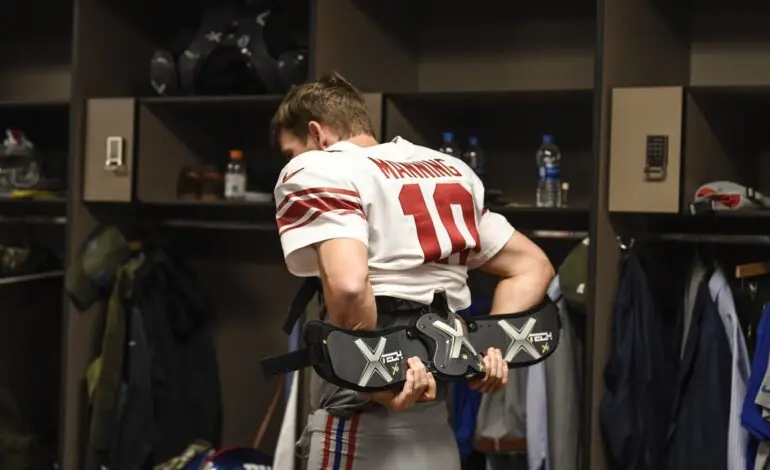
Manning was drafted first overall by the San Diego Chargers in the 2004 NFL Draft but was quickly traded to the New York Giants. Over 16 seasons, he became known for his resilience, leadership, and clutch performances in critical moments. Most notably, he led the Giants to victories in Super Bowl XLII and XLVI, defeating the heavily favored New England Patriots on both occasions. His ability to perform under pressure and his skillful play helped him amass numerous records, including being among the all-time leaders in passing yards and touchdowns for the Giants.
Philanthropic Work
After retiring in 2020, Manning shifted his focus towards philanthropy and community service. He has been actively involved in causes such as children’s education, health, and well-being. Manning established the “Eli Manning Children’s Clinics” which provide resources and support for families and children facing healthcare challenges. Moreover, he works with organizations like the Big Brothers Big Sisters of New York City, aiming to inspire and uplift youth through mentorship.
Impact and Public Perception
Manning’s transition from athlete to philanthropist has garnered considerable attention and admiration. He is often viewed as a role model, not only for aspiring football players but also for young individuals looking to make a positive impact in their communities. His humble demeanor, sportsmanship, and commitment to giving back have solidified his legacy as a beloved figure in both the sports world and in charitable endeavors.
Conclusion
As Eli Manning continues to engage with the community and uplift the next generation, his legacy extends far beyond football. Fans and supporters alike appreciate his efforts to use his platform for good, serving as an inspiration for many. As he advances in his post-football journey, it is expected that Manning will further amplify his philanthropic work, continuing to leave a lasting impact both in the realm of sports and society at large.