The Impact of Snow Squalls: What You Need to Know
Introduction
Snow squalls are intense, short-lived snowstorms that can drastically reduce visibility and lead to hazardous travel conditions. As winter approaches, understanding these phenomena becomes increasingly important for safety and preparedness. According to the National Weather Service (NWS), snow squalls can develop with little warning, often leading to sudden snow accumulation and icy road conditions.
What is a Snow Squall?
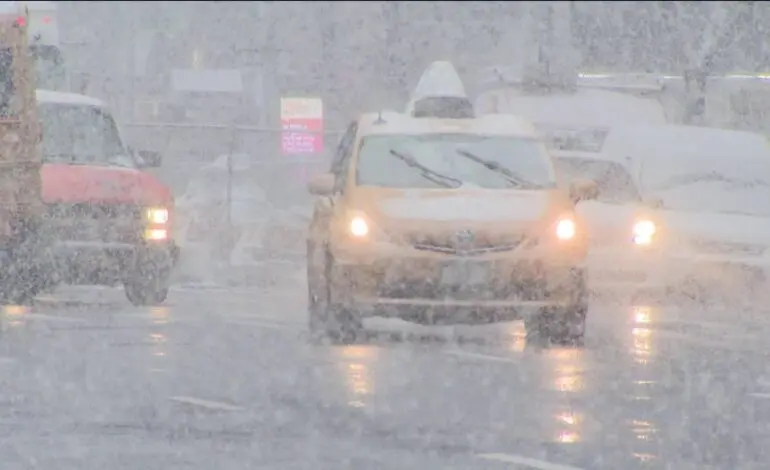
A snow squall is characterized by brief but intense snowfall, typically lasting less than an hour. The primary hazards associated with snow squalls include whiteout conditions, rapid accumulation of snow, and slick roads. The conditions create a dangerous environment for drivers and pedestrians alike. Rain showers or mild weather can quickly turn into a snow squall, catching many off guard.
Recent Events
In recent weeks, many parts of the Midwest and Northeastern United States have experienced snow squalls that surprised local residents. For instance, on January 15, 2023, a snow squall warning was issued for various counties in Pennsylvania and New York. Reports showed that visibility dropped to near zero, leading to multiple accidents on major highways. Emergency services urged people to stay off the roads during the worst of the squall, citing safety concerns.
Preparing for Snow Squalls
To mitigate the risks associated with snow squalls, weather experts recommend staying informed through local forecasts and weather alerts. When traveling, carrying an emergency kit in your vehicle can make a difference if you find yourself stranded. This kit should include essentials such as blankets, water, snacks, and a flashlight. Additionally, it’s vital to adjust your driving behavior in adverse weather—reducing speed and increasing following distances significantly enhances safety.
Conclusion
With snow squalls posing a significant risk during the winter months, awareness and preparedness are crucial. As climate patterns change and winter storms become more unpredictable, the NWS encourages citizens to heed warnings and stay informed. By understanding snow squalls and taking appropriate precautions, we can better navigate the challenges of winter weather, ensuring safety for ourselves and others on the road.