The Current State of Kosovo: Challenges and Progress
Introduction
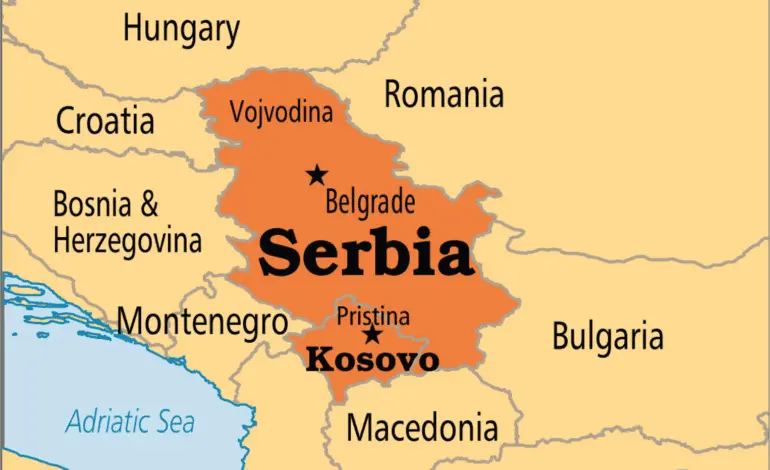
Kosovo, a region known for its complex history and ongoing political challenges, remains an essential topic in European geopolitics. Since declaring independence from Serbia in 2008, Kosovo has experienced both progress and setbacks that shape its relationship with neighboring countries and global powers. Understanding these dynamics is crucial for anyone interested in the future of the Balkans and European stability.
Recent Developments
In recent months, Kosovo has faced heightened tensions with Serbia, particularly regarding the status of ethnic Serbs living within Kosovo’s borders. This issue came to a head in September 2023, when Kosovo’s government implemented measures aimed at increasing the enforcement of local laws in the northern regions where the Serb population is concentrated. This move was met with significant backlash from Serbia, leading to protests and calls for dialogue.
In mid-October 2023, international mediators, including representatives from the European Union and the United States, facilitated talks between the two nations. These discussions aimed to address not only the immediate tensions but also broader issues such as recognition of sovereignty and joint economic initiatives. The EU has emphasized the importance of dialogue in adhering to the Brussels Agreement, which outlines the normalization of relations between the two countries.
The Impact of Global Politics
Additionally, Kosovo’s aspirations for NATO and EU membership remain contentious. As outlined in a report by the Council on Foreign Relations in June 2023, the slow pace of EU integration plays a significant role in the region’s stability. Kosovo’s government argues that further integration into Western structures would reduce the influence of Russia, which has historically backed Serbia in their territorial disputes.
Furthermore, the U.S. has reaffirmed its commitment to supporting Kosovo’s sovereignty, which adds another layer of complexity as tensions rise with Russia and its allies in Eastern Europe.
Conclusion
The dynamics in Kosovo showcase the intersection of local, regional, and international politics. As the country navigates through internal challenges, its relationship with Serbia remains fraught but is also a focal point for international diplomacy. Moving forward, the significance of Kosovo’s political landscape will likely shape not only its future but also the broader stability of the Balkans. With ongoing dialogues and efforts toward integration into Western institutions, there is cautious optimism that Kosovo can build a path toward lasting peace and prosperity.