Eritrea: Understanding Its Role in East Africa
Introduction
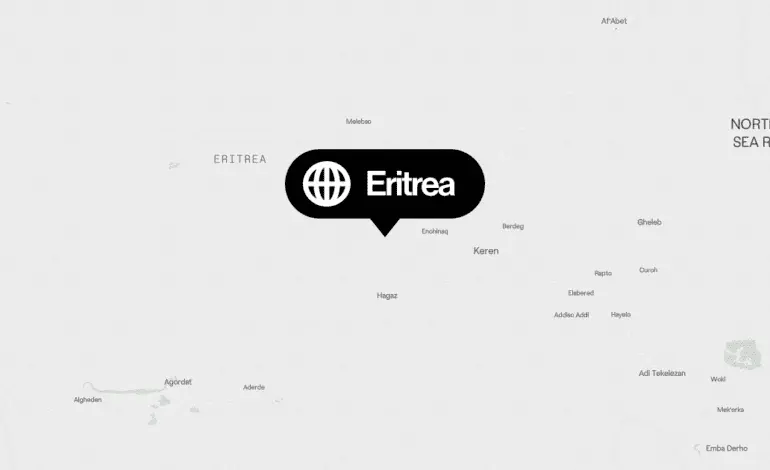
Eritrea, a small nation located in the Horn of Africa, has recently gained attention on the global stage due to its strategic importance and rich cultural heritage. Home to a population of approximately 3.5 million, Eritrea plays a crucial role in regional politics, economic development, and the unique challenges faced by its citizens. Understanding Eritrea’s current situation is essential not only for comprehending East African geopolitics but also for acknowledging the resilience of its people.
The Current Situation in Eritrea
Since gaining independence from Ethiopia in 1993, Eritrea has been marked by its self-reliance policy and a one-party political system led by the People’s Front for Democracy and Justice (PFDJ). The country’s governance model has been a point of contention due to widespread reports of human rights abuses, particularly regarding freedom of expression, assembly, and religious liberties. As of 2023, Eritrea continues to be ranked among the lowest in the world in terms of human rights, which has drawn criticism from international observers and organizations.
Recently, however, there have been signs of subtle changes within the country’s political landscape, influenced in part by the evolving relationship with neighboring Ethiopia. The peace agreement signed in 2018 between Eritrea and Ethiopia, which ended a two-decade-long conflict, has led to increased regional cooperation. Moreover, this thawing relationship may lead Eritrea toward gradual economic opportunities and stability.
Economic Developments
Despite facing significant challenges, including a national service policy that has been criticized for being indefinite and compulsory, Eritrea is also making strides in various sectors. The government has invested in mining, agriculture, and renewable energy projects to stimulate economic growth. A notable project is the Bisha mine, which has attracted foreign investment and positioned Eritrea as a potential leader in mineral production in the region.
Furthermore, Eritrea’s strategic location along the Red Sea provides access to important shipping routes. This advantage could serve as a catalyst for economic development if effectively harnessed through improved infrastructure and regional trade agreements.
Conclusion
In conclusion, Eritrea presents a complex landscape of challenges and opportunities. While its political environment raises concerns, the potential for economic development and regional cooperation cannot be overlooked. As Eritrea continues to navigate its path in the 21st century, the significance of its role in East Africa will only increase. For readers and observers, understanding Eritrea goes beyond headlines; it involves recognizing the rich culture, the tenacity of its people, and the possibilities for a brighter future as the nation strives for stability and growth.