Exploring the Giant Phantom Jellyfish: A Deep-Sea Wonder
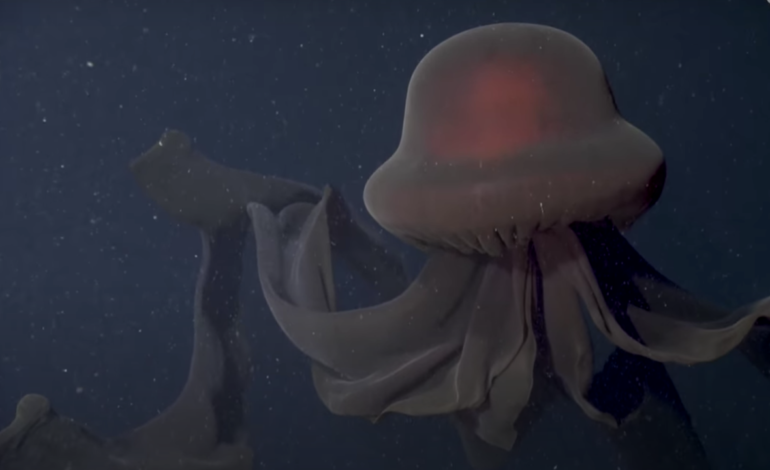
The Elusive Giant Phantom Jellyfish
The giant phantom jellyfish (Stygiomedusa gigantea) is one of the largest and most mysterious jellyfish species in the ocean. With a bell diameter that can reach up to 1.2 meters (approximately 4 feet) and lengthy tentacles that can extend even further, this enchanting creature has captivated marine biologists and ocean enthusiasts alike. Its rarity and enigmatic nature add to the allure, as sightings are sparse and often occur in deep waters, making it a true marvel of the marine world.
Recent Sightings and Studies
In recent months, researchers have made significant strides in studying the giant phantom jellyfish, with a notable sighting near the coast of California. These jellyfish are typically found at depths between 600 and 2,000 meters, primarily in the North Pacific Ocean. The recent sighting has sparked renewed interest in understanding their life cycle and ecological role within their deep-sea habitat.
Encounters with the giant phantom jellyfish are rare due to their deep-sea existence; however, advances in underwater exploration technology, including remotely operated vehicles (ROVs), have enabled researchers to document these remarkable species more effectively. Researchers from the Monterey Bay Aquarium Research Institute released footage of the jellyfish, showcasing its ethereal beauty and providing invaluable data on its behavior in a natural setting.
Habitat and Behavior
The giant phantom jellyfish is believed to be a carnivore, feeding mainly on small fish and zooplankton. What makes this jellyfish particularly fascinating is its mode of locomotion. Unlike traditional jellyfish that contract their bell to propel themselves upward, the giant phantom jellyfish gracefully undulates its bell, managing to drift through the water with an unearthly elegance.
Moreover, the jellyfish’s transparent body and large, bioluminescent structures contribute to its otherworldly appearance, making it a mesmerizing sight for those fortunate enough to observe one in its natural environment. Additionally, little is known about its life cycle, although scientists hypothesize that it may take years for these jellyfish to reach maturity.
Conclusion: A Symbol of Ocean Mysteries
The giant phantom jellyfish serves as a reminder of the vast unexplored territories within our oceans. As research continues, understanding this magnificent species may offer insights into the overall health of marine ecosystems. Environmental changes and the effect of climate change on deep-sea habitats raise critical questions about the future of such enigmatic species. Encouraging conservation efforts and fostering a passion for ocean exploration among the public can ensure that we preserve the mystery and beauty of the oceans for generations to come.