Understanding the Pizza Gate Conspiracy Theory
Introduction to Pizza Gate
The Pizza Gate conspiracy theory emerged during the 2016 United States presidential election, gaining traction online and creating significant controversy. It is important to understand this topic as it highlights the intersection of misinformation, social media influence, and the potential dangers of conspiracy theories in political discourse. The spread of Pizza Gate has raised concerns about the impact of fake news on public perception and the safety of individuals implicated within such theories.
The Origins of Pizza Gate
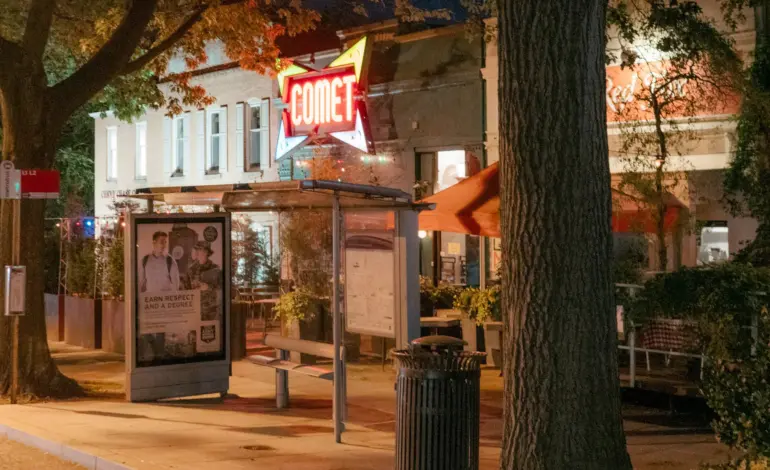
Pizza Gate began with the hacking of emails linked to John Podesta, Hillary Clinton’s campaign chairman, by Russian operatives. Conspiracy theorists combed through these emails, misinterpreting references to pizza as codes for a child trafficking ring linked to several high-profile politicians and celebrities. A particular focus was on Comet Ping Pong, a Washington D.C.-based pizzeria, which was falsely accused of being the hub of these alleged criminal activities.
Key Events and Consequences
The story took a dangerous turn in December 2016 when Edgar Maddison Welch, believing in the conspiracy, entered Comet Ping Pong with a firearm and fired shots, although thankfully there were no injuries. This incident drew national attention, and further scrutiny was placed on the dangers posed by viral fake news and conspiracy theories in the digital age.
Despite being debunked by multiple investigations, including fact-checkers and law enforcement, the Pizza Gate conspiracy has lingered in online forums, demonstrating how misinformation can have real-world consequences. The reverberations of this event also led to a broader discussion about the responsibility of social media platforms in policing false information.
Conclusion: The Significance of Pizza Gate
The Pizza Gate conspiracy serves as a critical case study in understanding how easily false narratives can spread and gain traction within society, particularly on social media. It underscores the need for media literacy among citizens to discern credible information from disinformation. As more conspiracy theories continue to arise, the lessons learned from Pizza Gate highlight the importance of actively combating misinformation and understanding the societal context that allows it to flourish.