An Insight into Jainism and Its Core Beliefs
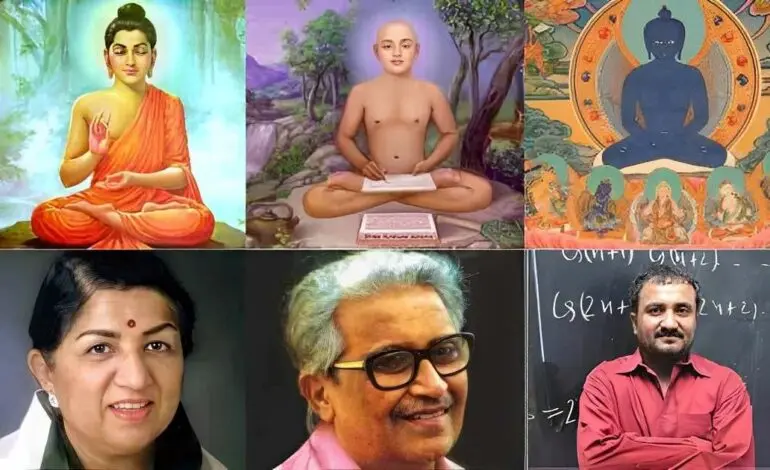
Introduction to Jainism
Jainism is an ancient Indian religion that emphasizes non-violence (ahimsa), truth, and asceticism. With roots tracing back to the 6th century BCE, Jainism has largely influenced Indian culture and has millions of followers worldwide. Understanding Jain beliefs and practices is essential for appreciating the diversity of religious traditions that contribute to the world’s spiritual landscape.
Core Principles of Jainism
The fundamental tenets of Jainism revolve around the concepts of ahimsa, aparigraha (non-possessiveness), and anekantavada (the multiplicity of viewpoints).
- Ahimsa (Non-violence): Jains are strict adherents to non-violence, extending their respect for life to all living beings. This principle is reflected in their dietary restrictions, with most Jains following a strict vegetarian diet.
- Aparigraha (Non-possessiveness): Jains believe in minimizing attachment to material possessions and often practice asceticism to attain spiritual liberation.
- Anekantavada (Multiplicity of viewpoints): This principle encourages the understanding that truth may be perceived differently from various perspectives, promoting tolerance and dialogue.
Jain Practices and Rituals
Jain religious practices focus on personal development and spiritual purification. Key rituals include:
- Puja: Worship rituals performed in front of tirthankara images, often involving offerings of flowers and food.
- Fast: Many Jains engage in fasting, particularly during religious festivals, as a means of self-discipline and reflection.
- Annual Festivals: Major festivals such as Paryushana and Mahavir Jayanti serve to reinforce communal bonds and spiritual teachings.
Current Trends and Significance
In contemporary society, Jains continue to advocate for environmental causes and animal rights, reflecting their deep-rooted connectedness to non-violence. As cities become more cosmopolitan, Jain communities have become increasingly involved in promoting cultural awareness and education about their beliefs. The global spread of Jain principles, especially in relation to sustainability and peaceful living, contributes to contemporary discussions on ethics and morality.
Conclusion
Jainism presents a distinctive outlook on life that emphasizes the importance of kindness, respect for all living beings, and personal spiritual growth. As communities engage with broader societal issues, the principles of Jainism resonate deeply, offering a pathway to navigate the challenges of modern life. Understanding Jain beliefs and practices not only fosters greater interfaith dialogue but also enriches the multicultural fabric of our world.