Celebrating Groundhog Day: History and Significance

Introduction
Groundhog Day, observed on February 2 each year, is a cultural tradition in the United States and Canada that has captured the imagination of many. The day is rooted in folklore, where a groundhog’s weather prediction determines whether winter will last six more weeks or spring will arrive early. The event signifies not just a fun spectacle but also serves as a whimsical reminder of nature’s cycles and the changing of seasons.
Historical Background
The origins of Groundhog Day can be traced back to early European customs, particularly the German tradition of ‘Badger Day.’ German immigrants brought this tradition to the United States, specifically to Pennsylvania, where it evolved into the modern celebration involving a groundhog. The most famous groundhog, Punxsutawney Phil, emerges from his burrow each year in Punxsutawney, Pennsylvania, drawing thousands of visitors who eagerly await his prediction.
The Festivities of Groundhog Day
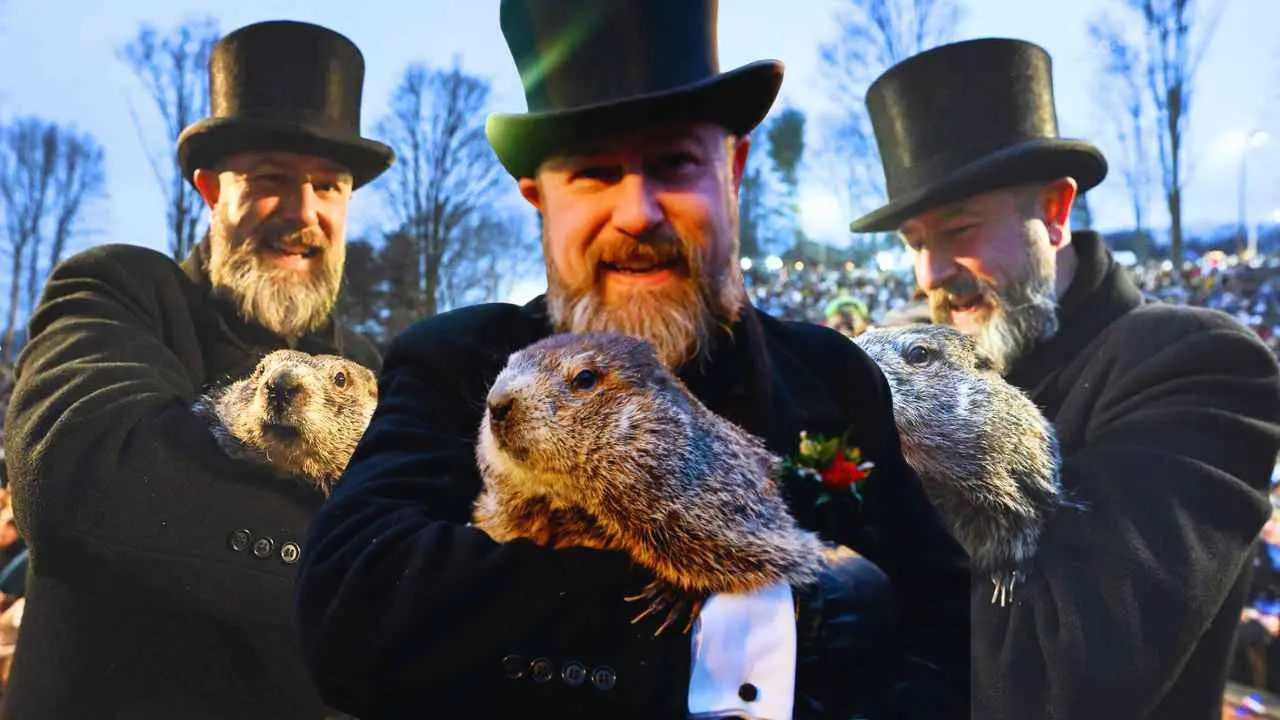
On Groundhog Day, Phil’s handlers, known as the Inner Circle, don top hats and tuxedos, adding a festive air to the proceedings. Crowds gather early in the morning to enjoy entertainment, food, and festivities while they anxiously await Phil’s forecast. As the story goes, if Phil sees his shadow, there will be six more weeks of winter; if he does not, an early spring is expected.
Current Trends and Public Interest
In recent years, Groundhog Day has gained popularity beyond its traditional roots, with various communities in the U.S. hosting similar events. The day continues to be embraced by schools, families, and even businesses, utilizing the occasion as a fun way to break winter’s monotony. With the influence of social media, images and videos from celebrations are widely shared, creating a sense of community and excitement around the event.
Conclusion
Groundhog Day, celebrated on February 2, is more than just a quirky tradition; it highlights the joy of community gathering and the intrigue of nature’s unpredictability. As it approaches in 2024, many look forward to joining in the festivities, regardless of Phil’s prediction. This enduring tradition showcases how cultural practices evolve while still connecting us to our history and to one another, promising fun and laughter in the lingering winter months.