The Enduring Impact of The Hunger Games on Culture
Introduction
The Hunger Games, a dystopian series written by Suzanne Collins, has become a cultural phenomenon since its inception. The series, which includes three novels published between 2008 and 2010, has transcended literature, influencing film, fashion, and social movements. Its themes of survival, government oppression, and resilience resonate deeply with audiences globally, especially in today’s socio-political climate.
The Storyline and Its Global Appeal
The narrative follows Katniss Everdeen, a young girl from the impoverished District 12, who volunteers to take her sister’s place in the brutal Hunger Games, an annual event where children fight to the death for entertainment and control by the Capitol. The stark realities of inequality, sacrifice, and rebellion address issues of class and power that are widely relevant today.
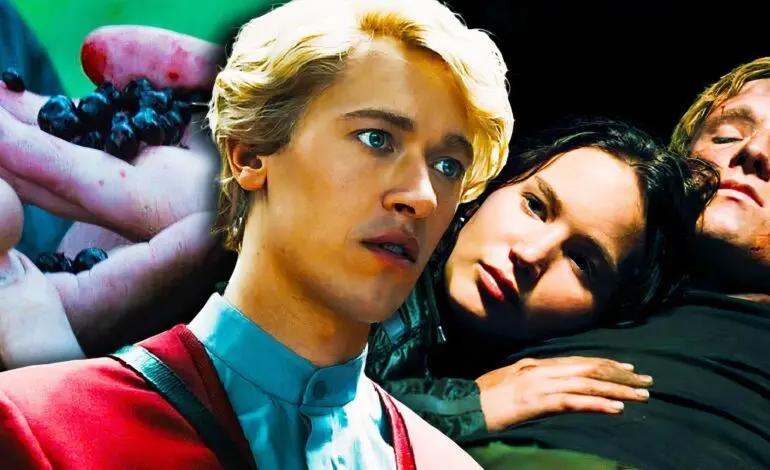
In recent years, a resurgence in interest surrounding The Hunger Games has been noted, especially with the prequel novel, “The Ballad of Songbirds and Snakes,” released in 2020, which delves into the origins of President Snow. This new storyline has reignited discussions about the series, its characters, and its broader meanings.
The Impact on Film and Popular Culture
The Hunger Games film adaptations, especially the first movie released in 2012, were a commercial success and garnered critical acclaim, further embedding the narrative into the collective consciousness. The series features strong female lead representation, youthful rebellion, and complex moral questions, which have sparked dialogues about gender roles and activism.
Moreover, the iconic styles of Katniss and other characters have set trends in fashion, while the franchise’s merchandise and themed events encourage audience engagement and community building.
Conclusion
The Hunger Games continues to impact society in profound ways. Its messages about defiance, unity, and hope amid adversity are particularly significant in current global contexts, where issues of inequality and oppression are prevalent. As fans await future adaptations and possibly more story expansions, it’s clear that The Hunger Games will remain a vital part of literary and cultural discourse.