The Cultural Impact of Invincible in the Superhero Genre
Introduction
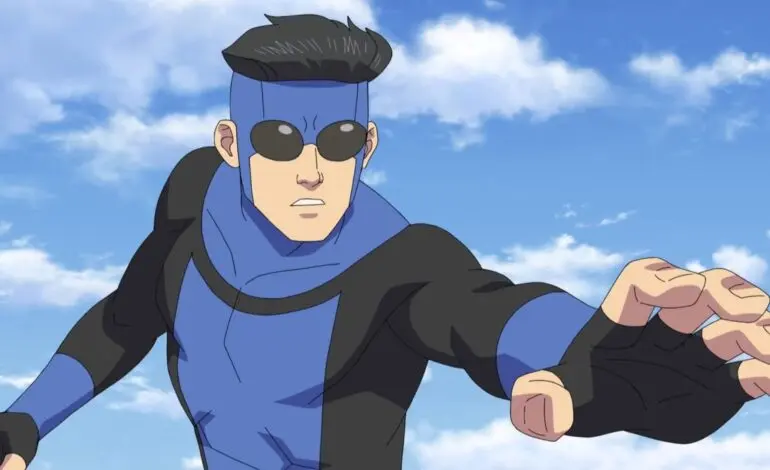
The rise of superhero narratives in popular culture has spawned various interpretations and adaptations, none more notable than the Invincible series. Originally a comic book created by Robert Kirkman, the story follows the life of Mark Grayson, a teenager who inherits superpowers from his father. The introduction of an animated adaptation on Amazon Prime Video in March 2021 marked a significant moment, resonating with fans and new viewers alike. The relevance of this series lies not only in its compelling storytelling but also in its exploration of complex themes surrounding heroism and morality.
Main Themes and Notable Events
One of the key factors that set Invincible apart from its competitors is its willingness to tackle real-life issues through its characters and plotlines. The animated adaptation was praised for its high production value and voice acting, featuring talents such as Steven Yeun and Sandra Oh. The series’ willingness to showcase intense violence and moral ambiguity pushes the boundaries of the superhero genre, reflecting a realistic and sometimes brutal interpretation of what it means to be a hero.
Furthermore, the rich character development of Mark Grayson as he grapples with his identity and responsibilities is a central focus. Viewers watch as he navigates personal relationships while facing existential threats, representing the trials and tribulations often faced by young adults. The significant events in the first season, particularly the shocking finale, left audiences eager for more, establishing a sturdy foundation for future storytelling.
Public Reception and Cultural Significance
The reception of Invincible has been overwhelmingly positive, with critics highlighting its unique take on familiar tropes within the superhero genre. The series boasts a 98% approval rating on Rotten Tomatoes and has quickly gained a dedicated fanbase. The depth of its narrative invites discussions concerning heroism’s ethical implications, expanding the conversation that traditional superhero narratives often overlook.
Moreover, the show’s success has contributed to a resurgence of interest in comic book adaptations, encouraging more creators to explore diverse stories and characters. It demonstrates that audiences are ready for tales that deviate from the classical ‘good versus evil’ dynamic, as demonstrated in other superhero franchises.
Conclusion
In conclusion, Invincible is more than just another superhero story; it offers an insightful look into the complexities of heroism and its consequences. As the animated series prepares for its second season, its impact on the genre is expected to grow, promising to challenge and engage audiences further. The series reflects the changing landscape of superhero narratives, underscoring the importance of depth and relatability in storytelling. For readers and viewers alike, Invincible serves as a reminder that not all heroes wear capes, and even the strongest among us are not invincible.