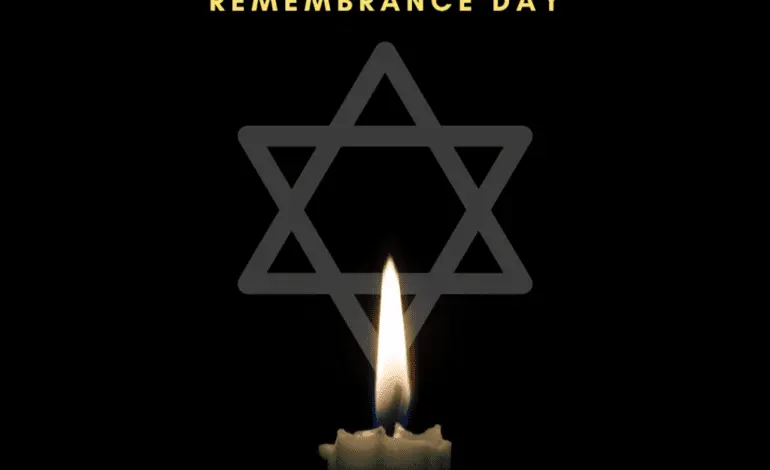
Holocaust Remembrance Day 2026: Honoring the Past
Introduction
Holocaust Remembrance Day, also known as Yom HaShoah, is a profoundly significant occasion observed globally to honor the memory of the six million Jews and millions of other victims who perished during the Holocaust. In 2026, this day will be observed on April 21, bringing an opportunity for education, reflection, and remembrance. The importance of this observance grows with each passing year, particularly as witnesses to these historical events decrease with age, highlighting the need for future generations to understand and remember.
Key Events and Observances
Holocaust Remembrance Day is characterized by various events and activities aimed at preserving the memory of those lost and educating the public about the atrocities of the Holocaust. In 2026, numerous museums, educational institutions, and community organizations are expected to host commemorative events. These activities may include survivor testimonies, film screenings, and public lectures featuring historians and educators specializing in Holocaust studies.
In addition, significant ceremonies are typically held at memorial sites, such as Yad Vashem in Israel, and various Holocaust memorials throughout the United States and around the world. These gatherings aim not only to honor those who were lost but also to reaffirm the commitment to combat anti-Semitism and intolerance in contemporary society.
Significance and Impact
The significance of Holocaust Remembrance Day extends beyond the act of remembering; it serves as a reminder of the consequences of hatred and discrimination. Holocaust education has become an integral aspect of curricula in many countries, emphasizing the importance of understanding history to prevent similar atrocities in the future. As society progresses into 2026, engaging the youth through educational initiatives and interactive platforms about the Holocaust remains crucial.
Moreover, the observance encourages discourse on current issues related to human rights and social justice, linking the Holocaust’s lessons to present-day struggles against marginalization and bigotry. By fostering a culture of remembrance, communities can build solidarity and resilience against hatred.
Conclusion
As Holocaust Remembrance Day 2026 approaches, it becomes increasingly essential to honor the victims and educate future generations about the Holocaust’s history and its implications today. By staying engaged in remembrance and education, society can work towards a more tolerant and understanding world, ensuring that the tragedies of the past are not forgotten and never repeated.