The Rising Concern of Shooters in Modern Society

Introduction
The emergence of shooter incidents has become a pressing issue facing communities across the United States. With mass shootings, urban gun violence, and targeted attacks making headlines, the implications of these events are profound. Society grapples not only with the immediate loss of life but also the long-term effects on mental health, public safety, and policy rights. Understanding the dynamics of shooters and the escalating trends is imperative for effective prevention and community resilience.
Recent Trends and Facts
According to the Gun Violence Archive, as of October 2023, there have been over 500 mass shootings in the United States this year alone. These incidents have taken place in a variety of settings, from schools to places of worship and public gatherings. The FBI reported that in 2021, active shooter incidents had increased by over 50% compared to the previous year, reflecting a disturbing trend that shows no signs of abating.
The motivations behind shooters can vary widely, with some individuals driven by personal grievances, while others may be responding to perceived societal injustices. Mental health issues often play a critical role, underlining the necessity for accessible mental health services and early intervention strategies. However, attributing the rise in shootings solely to mental health overlooks the complex interplay of factors including gun accessibility, socio-economic conditions, and cultural influences.
Community Responses and Prevention Strategies
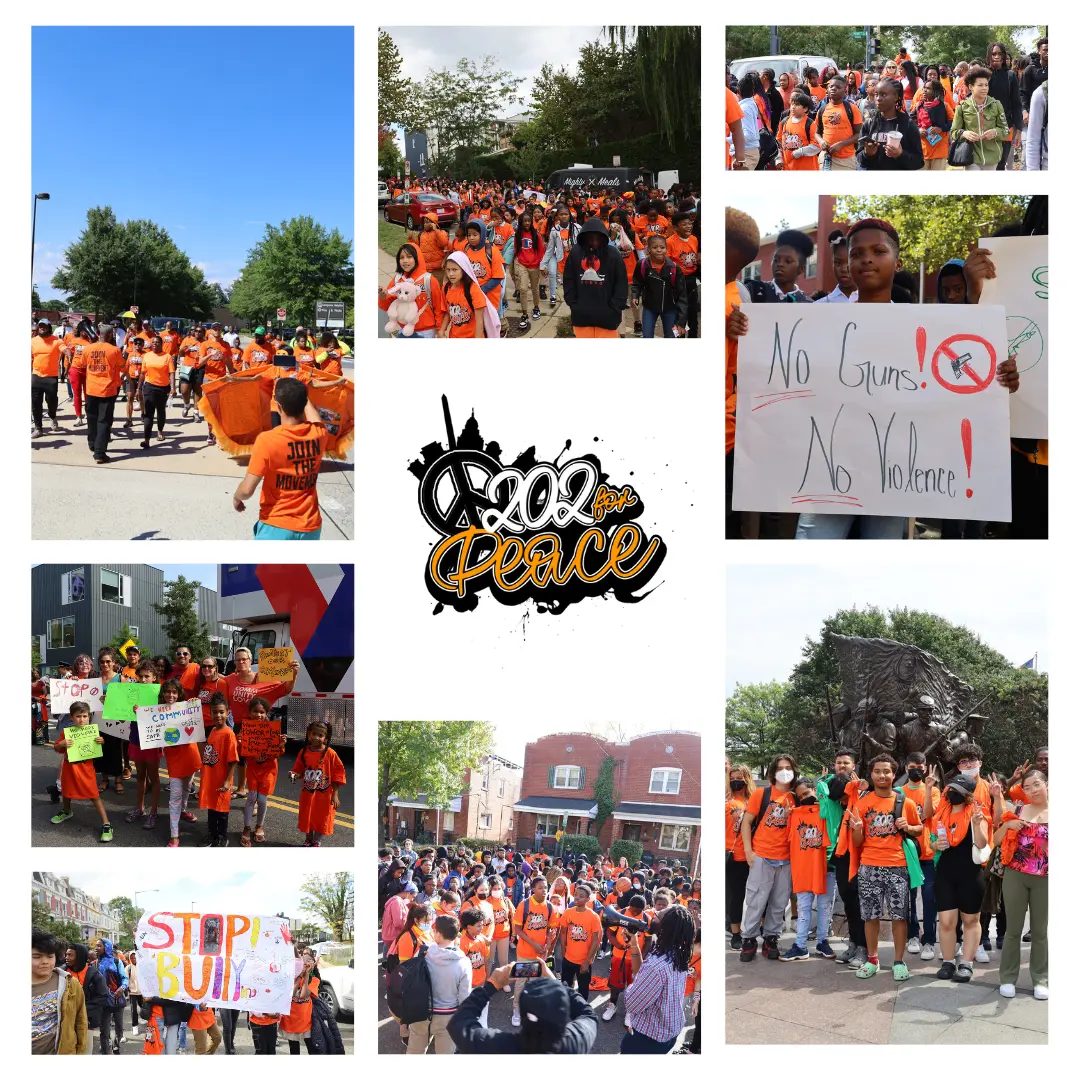
In light of the alarming rise in shootings, communities are responding in various ways. Grassroots initiatives focusing on gun safety, youth engagement, and violence prevention are gaining momentum. Educational programs highlighting conflict resolution and empathy are being implemented in schools. Furthermore, cities are beginning to adopt legislative measures aimed at gun control amidst calls for stricter background checks and limits on high-capacity magazines.
Moreover, public awareness campaigns are instrumental in destigmatizing the discussion around mental health, encouraging individuals to seek help and communities to provide support.
Conclusion
The growing concern surrounding shooters emphasizes the need for a multifaceted approach to tackle this complex issue. As society continues to navigate these challenges, it is crucial to foster dialogue about prevention, mental health, and responsible gun ownership. The emphasis on community-based solutions and proactive measures may not eliminate the threat entirely, but it has the potential to significantly mitigate risks. As individuals and communities unite to address the factors contributing to violence, there is hope for safer streets and a more secure future for all.