The Importance of Weather Radar in Modern Meteorology
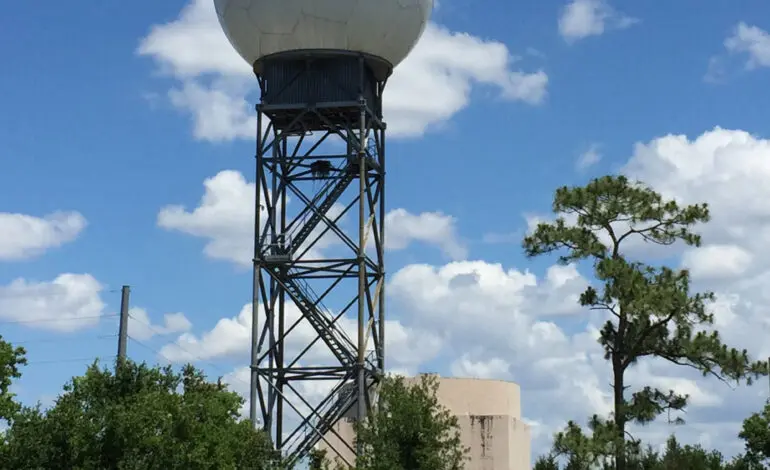
Introduction to Weather Radar
Weather radar technology plays a crucial role in modern meteorology, providing detailed information about atmospheric conditions that aids in forecasting severe weather events. The ability to monitor precipitation, track storm systems, and predict severe weather is essential not only for meteorologists but also for everyday decision-making regarding safety and travel.
How Weather Radar Works
Weather radar systems send out pulses of microwave signals into the atmosphere, which bounce back upon striking precipitation particles. By measuring the time it takes for these signals to return, the radar can determine the distance to the precipitation. Additionally, the strength of the returned signal provides information on the intensity of the precipitation.
Modern Doppler radar systems can detect motion within the atmosphere, allowing meteorologists to assess wind patterns and storm rotation. This capability is especially important as it can indicate the potential development of tornadoes or severe thunderstorms.
Recent Developments in Weather Radar Technology
In recent years, advancements in weather radar technology have significantly enhanced forecasting capabilities. Systems such as dual-polarization radar can differentiate between types of precipitation (rain, sleet, snow) and improve rainfall estimates. According to the National Oceanic and Atmospheric Administration (NOAA), these upgrades facilitate better warning systems during severe weather conditions.
For instance, during the historic storms of 2023, improved radar data allowed meteorologists to provide more timely and accurate information to the public. Reports indicated that cities with upgraded radar systems experienced a decrease in false alarms and improved response times during tornado warnings.
Conclusion: The Future of Weather Radar
As climate change continues to influence weather patterns, the need for accurate and reliable weather information becomes even more critical. Forecasters and researchers are now looking towards integrating artificial intelligence with weather radar data to enhance predictive models. Such developments could lead to more precise forecasts, allowing communities to better prepare for extreme weather.
In conclusion, weather radar remains an indispensable tool in meteorology, significantly impacting disaster preparedness and response efforts. With ongoing innovations, the future of weather radar technology promises to be even more transformative, ensuring public safety in an increasingly unpredictable climate.