Understanding the Impact of Snow Squalls
Introduction to Snow Squalls
Snow squalls are sudden, intense bursts of snowfall, often accompanied by strong winds and reduced visibility. These weather phenomena can create hazardous conditions on roads and pose a significant risk to travelers and residents alike. As winter weather events become more unpredictable due to climate change, understanding the nature of snow squalls has become increasingly important for safety and preparedness.
What is a Snow Squall?
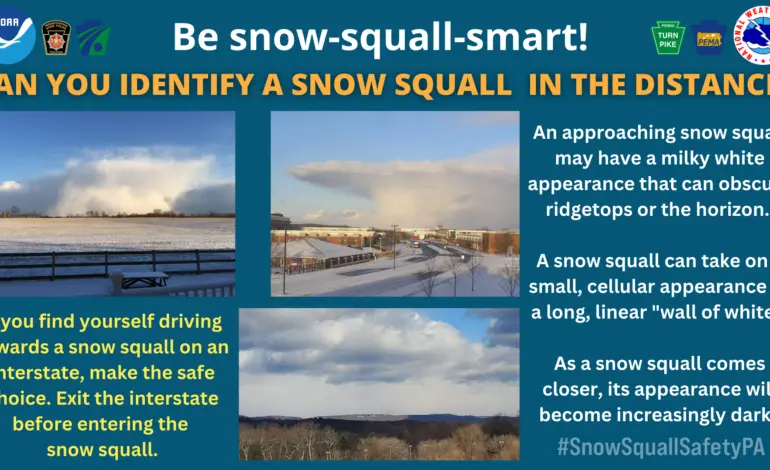
A snow squall is characterized by a brief but intense period of heavy snowfall that can lead to quick accumulations of snow ranging from a few inches to a foot in a very short time. These squalls typically last less than an hour but can dramatically reduce visibility below a quarter of a mile, making driving extremely dangerous. Such events are most common in the northeastern United States, particularly during the winter months.
Recent Events and Impact
In recent weeks, several regions in the Northeast experienced severe snow squalls, leading to traffic accidents and disruptions. Reports indicate that on February 3, 2023, a significant snow squall swept through parts of Pennsylvania and New York, resulting in multiple vehicle collisions and road closures. Emergency services were mobilized to assist stranded motorists, and local authorities advised residents to remain indoors during the worst of the conditions.
Forecasting and Safety Measures
Forecasting snow squalls can be challenging for meteorologists, as their rapid onset can catch many off guard. The National Weather Service has been working to improve detection and warnings, using advanced radar technology to identify conditions that are favorable for snow squall development. Public awareness campaigns emphasize the importance of checking weather updates and being prepared for sudden changes, especially for those traveling in winter conditions.
Conclusion
Snow squalls serve as a reminder of the unpredictable nature of winter weather. Considering recent events, it is crucial for the public to stay informed and exercise caution during snow squall warnings. As climate patterns evolve, the frequency and intensity of such weather phenomena may continue to change, highlighting the need for ongoing education and preparedness efforts. By understanding snow squalls and preparing accordingly, individuals can better protect themselves and their communities during winter storms.