Understanding Snow Squalls: What You Need to Know
Introduction
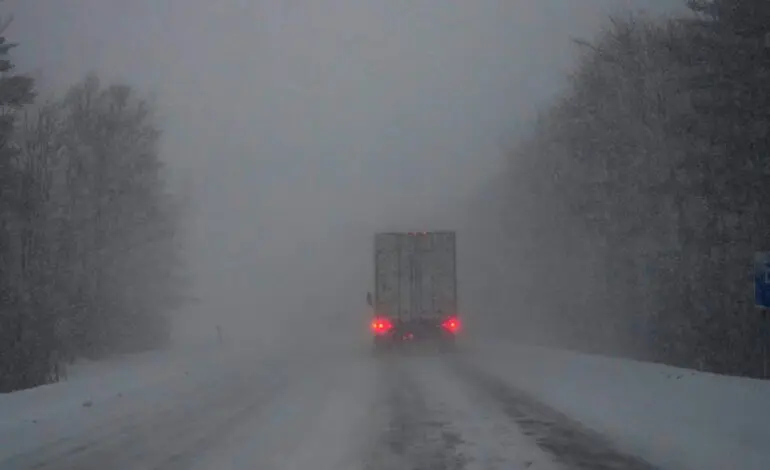
Snow squalls are short-lived yet intense winter weather events that can create hazardous conditions in a matter of moments. These snowstorms are characterized by sudden drops in temperature, strong winds, and heavy snowfall within a limited area, often resulting in reduced visibility and treacherous driving conditions. As climate change continues to influence weather patterns, understanding snow squalls has become increasingly important for safety and preparedness across many regions.
Characteristics of a Snow Squall
A snow squall typically features winds exceeding 30 miles per hour and can produce whiteout conditions in less than 30 minutes. The snowfall is often heavy but brief, leading to rapid accumulation that can create dangerous ice on roads. Weather experts categorize snow squalls as a type of localized heavy snowfall event, usually occurring in the late afternoon or evening and often accompanied by thunderstorms or rain in warmer months.
Recent Events
In February 2023, a significant snow squall swept across parts of the Midwest and Northeast United States, leading to numerous road accidents and local emergency declarations. The National Weather Service issued warnings that emphasized the suddenness of snow squalls and urged drivers to avoid travel when possible. The event illustrates how unpreparedness for these rapidly forming conditions can pose serious risks. Additionally, in early March 2023, similar conditions affected Washington D.C., causing travel delays and prompting city officials to remind residents of the dangers associated with such fast-moving winter systems.
Safety Tips
Being informed about snow squalls is essential for public safety. Here are a few tips to keep in mind:
- Stay Informed: Monitor weather updates during winter months, particularly if you live in susceptible regions.
- Avoid Driving During Squalls: If a snow squall warning is issued, consider delaying travel plans.
- Emergency Preparedness: Always keep an emergency kit in your vehicle and home, stocked with food, water, and necessary supplies.
Conclusion
As winter weather grows more unpredictable, understanding the phenomenon of snow squalls has become essential for safety. By understanding the conditions that lead to these intense winter storms and preparing accordingly, individuals can minimize risks and ensure greater safety during winter travel. Future forecasts suggest that awareness and readiness will continue to be pivotal in managing the impacts of snow squalls amid changing climate patterns. Stay alert and informed to navigate these winter hazards effectively.