Bouaddi’s Historic World Cup Appearance
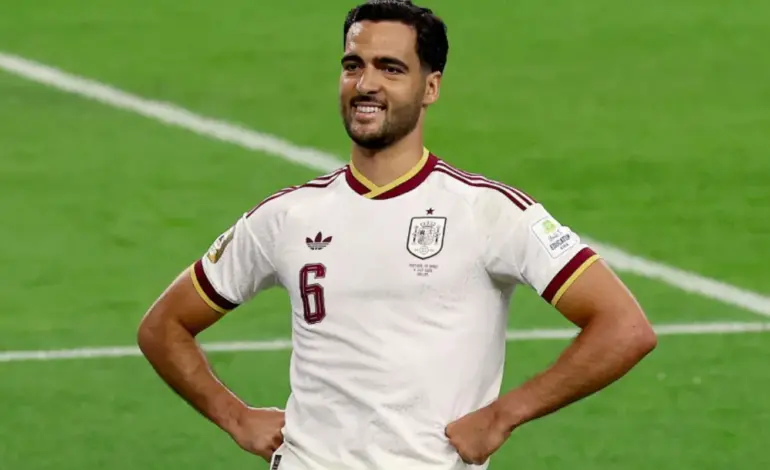
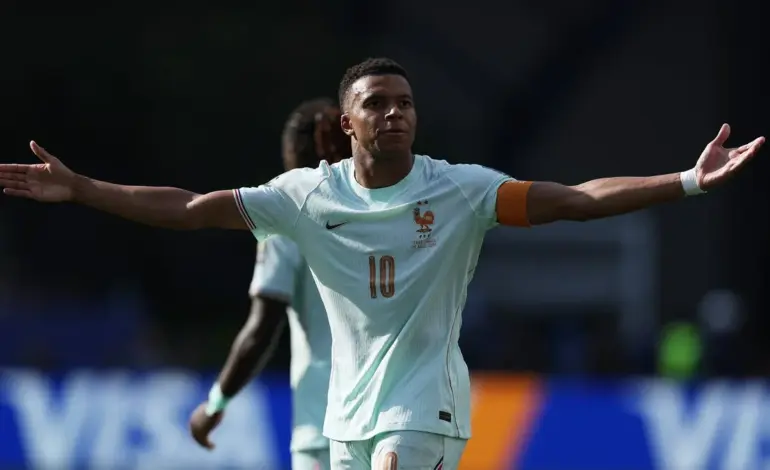
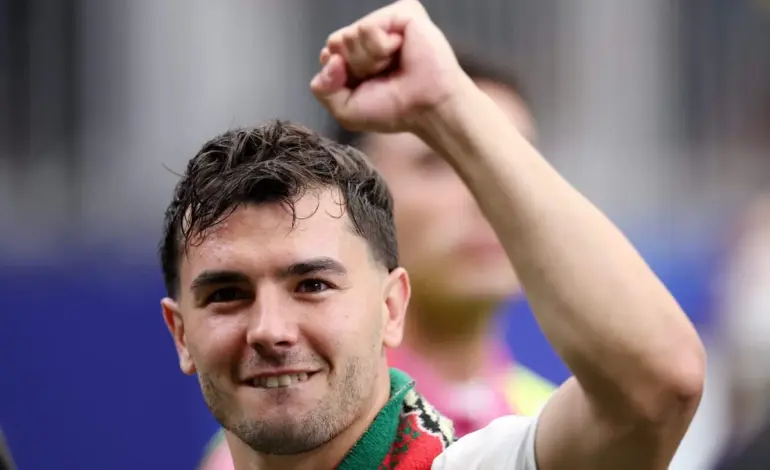
Moroccan midfielder Ayyoub Bouaddi made history on Thursday night, becoming the second-youngest player to participate in a FIFA World Cup quarter-final match. Despite this personal milestone, Morocco was defeated 2-0 by France, ending their tournament run. Bouaddi’s appearance places him in an exclusive group, second only to Brazilian football legend Pelé in the all-time tournament records for youngest quarter-finalists. Pelé achieved his record at 17 years and 239 days during the 1958 World Cup quarter-final against Wales.
The decision by Morocco head coach Mohamed Ouahbi to start Bouaddi in the high-stakes knockout match, despite pre-match concerns about injuries and disciplinary issues, highlighted the emerging talent within Moroccan football. Facing a strong French midfield, including players like Manu Koné, Bouaddi displayed composure beyond his years. He effectively distributed the ball and contributed defensively, even though France ultimately controlled the game.
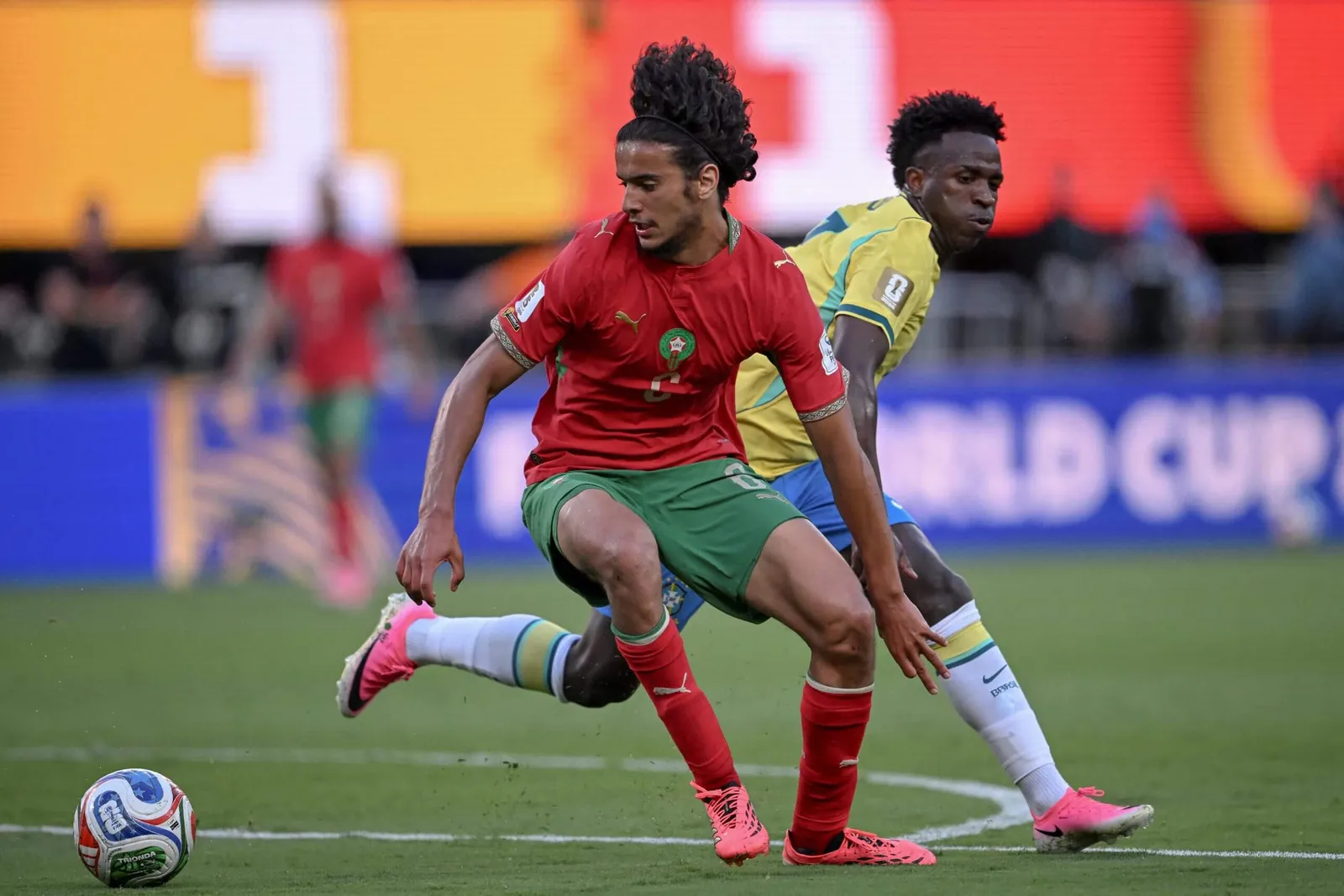
The young midfielder, who plays his club football in Europe, maintained his composure amidst the large crowd and global attention. His calm presence on the ball provided structural balance for the Atlas Lions in the midfield during an intense match. While Morocco exited the tournament after the 2-0 loss, Bouaddi’s achievement is considered a significant moment for African football, placing him alongside a name like Pelé and suggesting a promising future for his career at both club and national levels.
Breakout Star and Strategic Recruitment
Ayyoub Bouaddi, an 18-year-old, has been identified as one of the breakout stars of the tournament, showcasing notable technical skill and composure in midfield. His performance during a 1-1 draw with Brazil in the group stage was particularly dominant. An interesting aspect of Bouaddi’s journey is his French birth and his representation of France at youth level as recently as March of this year. He made the decision to switch his national allegiance to Morocco approximately a month before the World Cup commenced.
Bouaddi’s situation is part of a broader strategic approach by Morocco to recruit players from its global diaspora. The Moroccan squad for this tournament includes 19 players born outside the country, with origins in nations such as France, Spain, the Netherlands, Belgium, and Canada, all eligible through their family backgrounds. This approach has significantly contributed to the transformation of Moroccan football fortunes, with Bouaddi seen as a notable acquisition.
The turning point for this recruitment strategy came in 2014 with new leadership at the Moroccan Football Association. Fouzi Lekjaa, the current president, established a dedicated department for scouting and engaging with diaspora players, formalizing what was previously an informal process. This initiative aligned with government priorities to enhance Morocco’s standing in global football.
The Recruitment Process and Its Impact
The department responsible for this recruitment was initially led by Nasser Larguet, Morocco’s then technical director, and is now managed by Rabie Takassa. Takassa coordinates a team of seven scouts based across Europe, who maintain a database of Moroccan players in Europe, updated annually. They begin identifying players as young as eight or nine years old and monitor them, adding them to the database when they are 12 or 13. The database currently includes nearly 3,000 players across all age groups.
A key part of the strategy involves making personal contact with young players who show potential at academies or with national teams from an early stage. The focus is on explaining the project and the facilities, such as the King Mohammed VI Football Academy near Rabat, which has received over $65 million in investment. This academy is designed to offer facilities comparable to those of top European clubs.
The success of this strategy is evident in the increasing number of foreign-born players in the national squad. In the 2018 World Cup, key players included French-born defender Romain Saiss, Madrid-born full-back Achraf Hakimi, and Dutch-born midfielder Sofyan Amrabat. By the 2022 tournament, Morocco reached the semi-finals with a squad that included 14 players born outside the country, marking them as the first African nation to achieve this. This number further increased to 19 for the current tournament. When Morocco played Brazil in their opening group match, at one point, 11 players on the pitch were born overseas. Brahim Diaz, a Real Madrid playmaker born in Malaga, Spain, is another high-profile example, having made his 31st appearance for Morocco in the victory over Canada in the round of 16.
Source: timesofindia.indiatimes.com