A FIFA World Cup match between Egypt and Iran in Seattle has become a focal point for discussions surrounding LGBTQ+ inclusivity, particularly concerning the display of rainbow flags and other Pride-related symbols. The match, set to take place at Lumen Field, has been branded as a “Pride Match” by the local host committee, an initiative that has drawn objections from the football federations of both participating nations.
The Iran Football Federation has formally requested that FIFA prevent any “ceremonies or promotional activities” supporting the LGBTQ+ community at the match, and restrict the display of Pride movement symbols within Lumen Field. Similarly, the Egyptian Football Association has communicated its refusal to host any activities related to supporting homosexuality during the game. Both federations cited cultural and religious values shared by their countries as the basis for their stance.
In a statement to The Athletic, the Iran Football Federation referred to the LGBTQ+ community as “this movement” and emphasized that no associated ceremonies or promotional activities should be present inside the stadium or as part of the match environment. The federation also conveyed its expectation that FIFA would consider the views of participating teams on matters related to the stadium environment.
FIFA’s stance on inclusivity
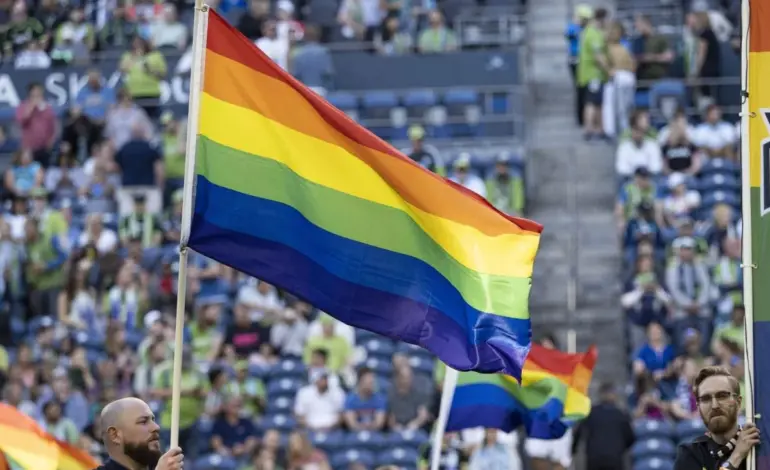
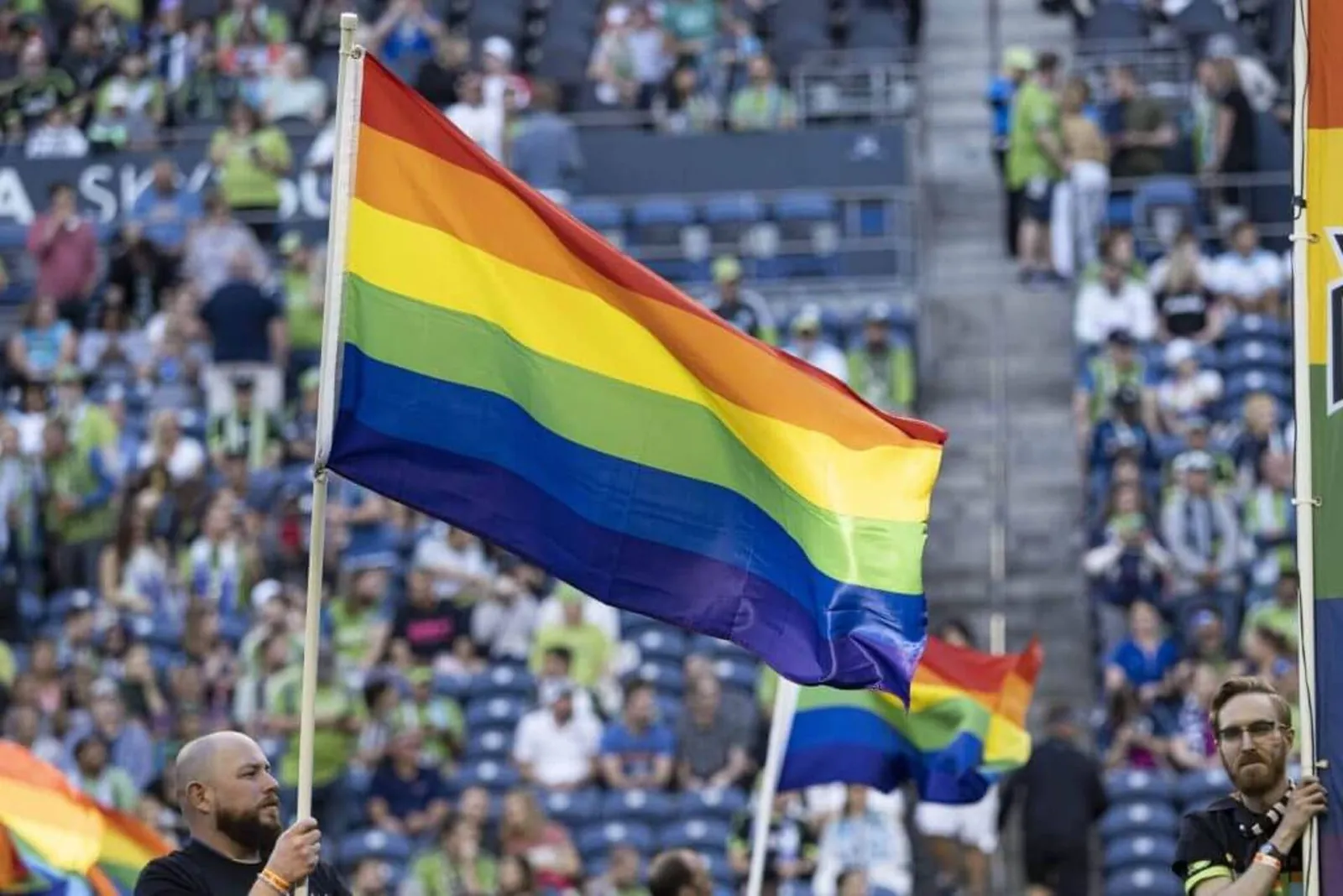
FIFA, however, has stated that the FIFA World Cup 2026 is an “inclusive event” that welcomes individuals from all backgrounds. The organization confirmed that rainbow flags and other flags representing sexual orientation and gender identity are permitted under the FIFA World Cup 2026 Stadium Code of Conduct. These flags may be displayed inside stadiums, provided their use is consistent with the code.
Despite FIFA’s position, its president, Gianni Infantino, attempted to downplay the “Pride Match” branding earlier, clarifying that there would be no official “Pride Match” at the World Cup. He noted that any related events would be organized by external organizations in the city, separate from the match itself.
The branding of the match as a “Pride Match” was conceived by the Seattle host committee before the World Cup draw. This committee includes representation from executives of various sports organizations, such as Seattle Reign FC, Seattle Sounders FC, the Seattle Sports Commission, and the Seattle Seahawks. FIFA’s central headquarters did not play a role in this initiative.
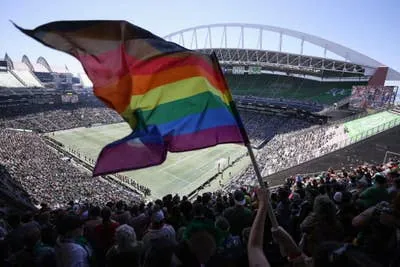
Sources familiar with the planning indicate that the main programming planned by the Seattle host committee is intended to be outside the stadium perimeter, which is not under FIFA’s direct jurisdiction. As of Wednesday evening, the Seattle host committee had not outlined any in-stadium activations.
Local and international reactions
The decision to brand the match as a “Pride Match” created a predicament for the Seattle committee, as it involved two nations where same-sex relations are criminalized. The Human Dignity Trust reports that Iran’s penal code includes a maximum penalty of death for gay individuals and same-sex sexual activity, while Egypt prohibits same-sex sexual activity, with provisions for prison sentences and fines.
In December, the president of the Iran Football Federation, Mehdi Taj, reportedly told a local news agency that both his country and Egypt had raised “objections against the issue,” describing it as “an irrational move that supports a certain group.” The Egyptian Football Association also sent an official letter to FIFA’s secretary general, Mattias Grafstrom, expressing its complete refusal of activities supporting homosexuality, citing cultural, religious, and social values.
Local organizers in Seattle have maintained their commitment to the branding. Hedda McLendon of Seattle’s World Cup organizing committee highlighted the city’s “culture of inclusion,” noting that there is an opportunity for improvement in LGBTQ+ inclusion globally. State Senator Jamie Pedersen, an openly gay member of the Washington State Legislature, expressed that it is “highly appropriate” for the match to feature countries where LGBTQ+ people face challenges, believing it will convey “positive images of folks from the community.”
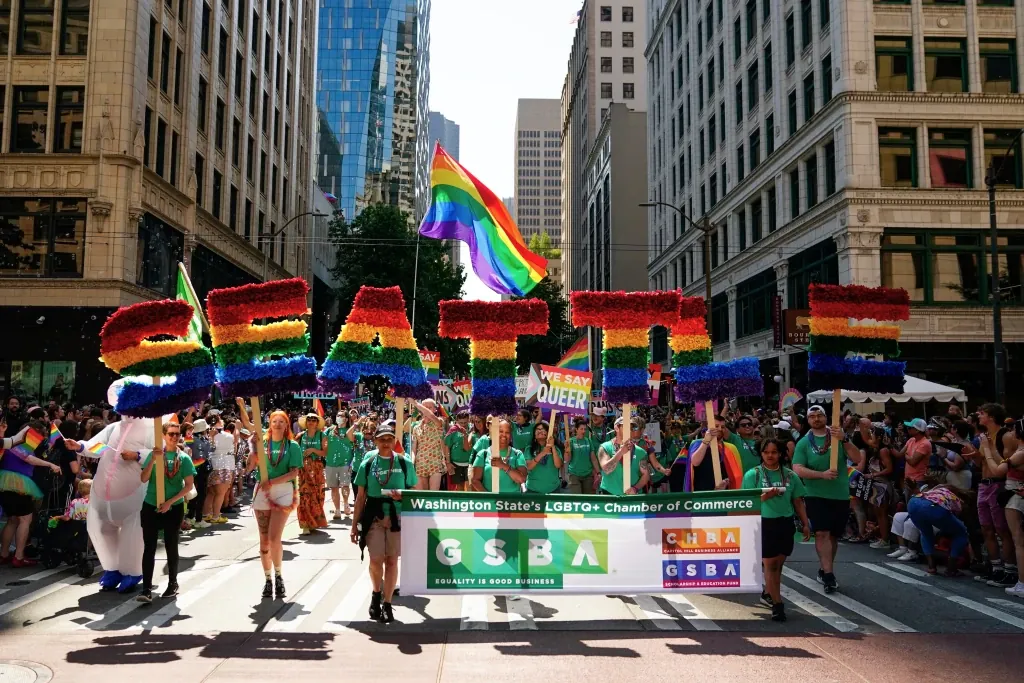
Seattle Pride, the non-profit organizing the city’s annual parade, is encouraging celebrations, emphasizing the opportunity for visitors to experience Pride in Seattle and its values of visibility, resilience, and joy. Andrew Ashiofu, a member of the Seattle LGBTQ+ Commission, views the display of the rainbow flag as a message that Seattle is a free and welcoming city that celebrates everyone.
Local authorities have stated their determination to ensure a safe and secure tournament, and have not identified any specific security concerns related to the event. FIFA has consistently allowed rainbow flags as a statement of human rights, and Hana Tadesse, a spokesperson for Seattle FIFA World Cup 2026, confirmed that fans will be permitted to wave them inside the stadium.
The discussions surrounding the match highlight ongoing tensions between the inclusive messaging of host cities and the cultural norms of participating nations. The FIFA World Cup 2026 is considered an inclusive event that welcomes people from all backgrounds.
Source: nytimes.com