180 million year old ichthyosaur reveals survival secrets
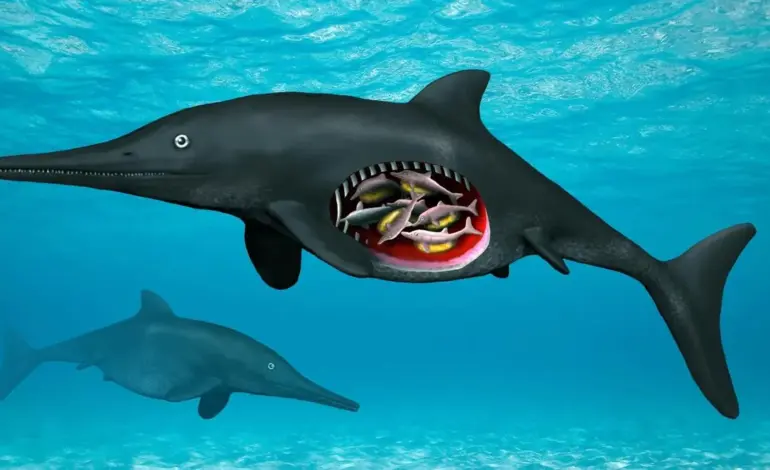
A remarkable 180 million year old ichthyosaur fossil discovered in Germany sheds light on how this ancient marine predator overcame severe jaw injuries. The find, attributed to the Temnodontosaurus genus, offers a glimpse into the resilience of Jurassic sea life.
The fossil was unearthed in the Mistelgau clay pit, a site renowned for its well-preserved marine fossils. Researchers unearthed fragments of the skull, lower jaw, shoulder girdle, forefins, spine, and over 100 teeth. This specimen could grow over 20 feet (around 6.5 metres) long—similar in appearance to modern dolphins.
Initial reactions from paleontologists emphasize the significance of this discovery. One researcher noted, “This well-preserved specimen shows evidence of injuries and adaptations, suggesting survival despite physical challenges.” Another added that this find indicates ichthyosaurs may have survived longer than previously believed.
Key facts about the ichthyosaur:
- The ichthyosaur fossil is approximately 180 million years old.
- It belongs to the Temnodontosaurus genus.
- The specimen shows evidence of severe jaw injuries.
- The ichthyosaur could grow over 20 feet (around 6.5 metres) long.
- Researchers found over 100 teeth among other skeletal fragments.
This discovery not only enriches our understanding of marine reptiles but also raises questions about their adaptability. How did they navigate such injuries? What does this say about their lifestyle and environment? Observers are keen to see further research emerge from this find.