“I am confident that their spirit of patriotism will continue to inspire everyone to move forward on the path of national service with dedication and loyalty,” stated President Droupadi Murmu during a recent tribute to the martyrs of the Jallianwala Bagh massacre.
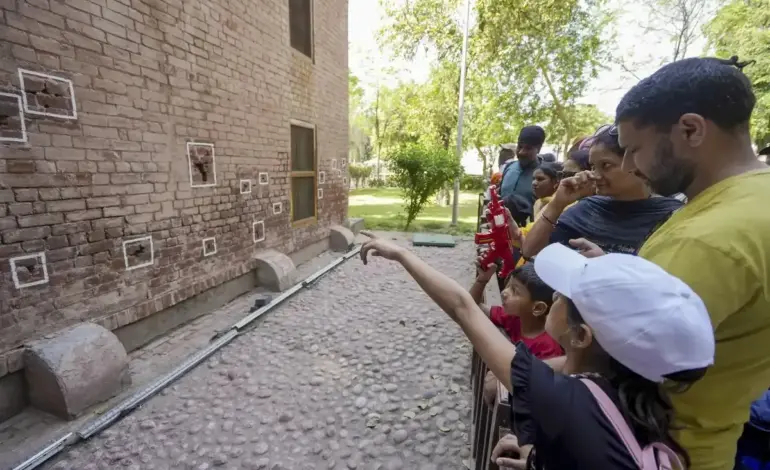
This tragic event, which occurred on April 13, 1919, in Amritsar, India, saw Colonel Reginald Dyer order the firing on unarmed civilians, resulting in a staggering 1,650 rounds being discharged in just ten minutes. The massacre is recorded as a pivotal moment in India’s freedom struggle, symbolizing the brutal repression faced by Indians under British colonial rule.
The Rowlatt Act, enacted just weeks prior in March 1919, allowed the British authorities to imprison Indians without trial, igniting widespread protests across the country. The massacre at Jallianwala Bagh became a flashpoint, galvanizing the Indian populace against colonial oppression.
Records from the British Raj acknowledge that 379 individuals were martyred during this incident, while local authorities in Amritsar have documented 484 martyrs, and the Jallianwala Bagh memorial itself lists 388 names. These figures reflect the deep scars left by the massacre on the collective memory of the nation.
In her tribute, President Murmu emphasized the enduring legacy of these martyrs, stating, “Nation will always remain grateful to them.” This acknowledgment comes as India continues to grapple with its colonial past and the sacrifices made in the pursuit of freedom.
Notably, the massacre also prompted significant reactions from prominent figures of the time. Gurudev Rabindranath Tagore famously returned his knighthood in protest against the brutality, highlighting the moral outrage that the incident incited among intellectuals and activists.
The Jallianwala Bagh massacre is not just a historical event; it is a reminder of the resilience and courage displayed by those who stood against tyranny. As India commemorates this tragedy, the spirit of the martyrs continues to inspire new generations to strive for justice and equality.
As discussions around the massacre and its implications for modern India continue, the government and various organizations are expected to hold events that honor the memory of those who lost their lives. The legacy of Jallianwala Bagh remains a vital part of India’s narrative, urging citizens to reflect on the sacrifices made for their freedom.