Australia Tropical Cyclone Red Sky: A Rare Atmospheric Phenomenon
How it unfolded
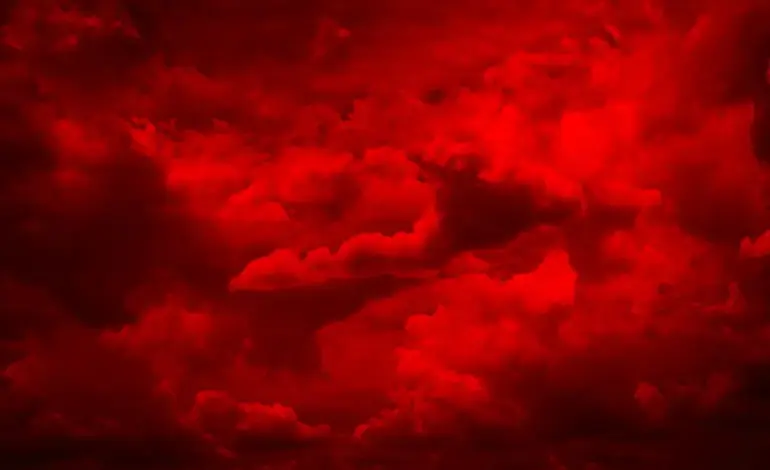
On March 30, 2026, residents of Western Australia were greeted by an extraordinary sight: a sky painted in vivid red hues. This unusual phenomenon was attributed to atmospheric dust stirred up by Tropical Cyclone Narelle, which had made landfall in several Australian states. The cyclone, which formed near the Solomon Islands—approximately 2,000 kilometers northeast of Australia—traveled an impressive 5,700 kilometers before impacting the Australian mainland.
The red sky was not merely a visual spectacle; it was a direct result of high levels of iron oxide present in the soil of the Pilbara region. As the cyclone’s winds, which extended 200-260 kilometers from its center, whipped up dust storms, the red soil particles were lofted into the atmosphere, creating a striking contrast against the usual blue sky. Tom Gill, a local observer, remarked, “This is pretty extreme! It’s about the reddest dust levels I’ve ever seen.”
Typically, tropical cyclones in Australia are associated with significant rainfall, which can mitigate dust storms. However, in the six weeks leading up to Narelle’s arrival, the greater northwest region of Australia had seen only 10-50 mm of rainfall. This lack of moisture contributed to the unusual conditions that allowed dust to dominate the atmosphere instead of rain.
As the cyclone approached, residents braced for its impact. While some expressed concern over the potential for damaging winds and flooding, others found themselves captivated by the unusual sky. A local holiday park owner noted, “Not a lot of wind yet. Let’s hope we get enough rain to wash it all off. It’s an inside day for us, that’s for sure.” This sentiment reflects the dual nature of such weather events, where beauty and danger coexist.
The phenomenon of a red sky caused by a cyclone is relatively rare in Australia. NASA pointed out that it is uncommon for a storm to make landfall across three states and territories, highlighting the unusual nature of Tropical Cyclone Narelle. The cyclone’s path and the atmospheric conditions it created have sparked interest among meteorologists and climate scientists alike.
As the cyclone dissipated, the aftermath left a lasting impression on the landscape and the people of Western Australia. The red sky served as a reminder of the complex interactions between tropical cyclones and the arid desert climates of Australia. Such events underscore the unique weather phenomena that can arise from the convergence of various climatic factors.
While the immediate threat of the cyclone has passed, the visual impact of the red sky lingers in the memories of those who witnessed it. The interplay of dust, wind, and atmospheric conditions has not only created a striking visual but also raised questions about the implications of such phenomena in the context of climate change and environmental shifts.
Details remain unconfirmed regarding the long-term effects of Tropical Cyclone Narelle on the region’s climate and ecology. However, the event has certainly left an indelible mark on the landscape and the psyche of the community, reminding them of nature’s unpredictable power.