Israel iran war strait of hormuz: Escalating Tensions: Israel-Iran War and the Strait of Hormuz
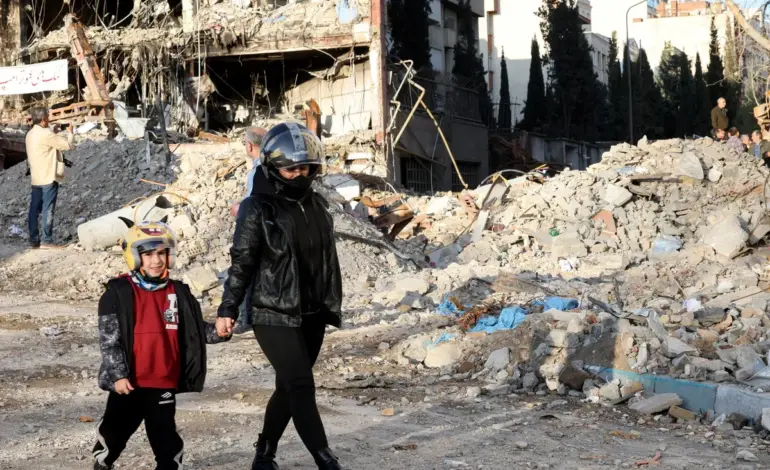
The ongoing conflict between Israel and Iran has reached a critical juncture, significantly impacting the Strait of Hormuz, a vital artery for global oil shipping. The intensification of military actions has raised alarms about regional stability and the potential for broader economic repercussions.
Recent reports indicate that the United States and Israel have escalated their military operations against Iran, with the US successfully targeting two-thirds of Iran’s missile and drone production facilities. This aggressive stance has prompted Iran to retaliate with strikes against Israel and several Gulf nations, further complicating the already volatile situation.
Iran’s Foreign Minister, Abbas Araghchi, has made it clear that Tehran will continue its “resistance” and has no intention of engaging in negotiations. This unwavering position underscores the deep-seated animosity and mistrust between the two nations.
The Gulf Cooperation Council has condemned Iran’s military actions, particularly its attempts to close the Strait of Hormuz, which is crucial for the transportation of oil. The conflict has now become a direct threat to Gulf security, shipping, and the global economy, as highlighted by GCC Secretary-General Jasem AlBudaiwi.
In a recent incident, a Thai-flagged cargo vessel was struck by projectiles in the Strait of Hormuz, resulting in the ship running aground near Iran’s Qeshm Island. This incident not only raises concerns about maritime safety but also highlights the risks faced by commercial shipping in the region.
The International Atomic Energy Agency (IAEA) has expressed deep concern over military strikes near Iran’s Bushehr Nuclear Power Plant, emphasizing the potential for catastrophic consequences should the conflict escalate further.
As the situation unfolds, the US has indicated that it may deploy an additional 10,000 ground troops to the Middle East, signaling a commitment to counter Iranian aggression. Meanwhile, Hezbollah has vowed to continue its confrontation against Israel and the US, further complicating the regional dynamics.
With oil prices already surging to around $100 per barrel, the economic implications of the conflict are becoming increasingly apparent. The stakes are high, and the potential for a broader military confrontation looms large.
Details remain unconfirmed regarding the full extent of military operations and their impact on regional stability. As the conflict continues to evolve, the international community watches closely, anticipating further developments in this critical geopolitical landscape.