Key moments
In a dramatic escalation of tensions in the Middle East, Israeli fighter jets have targeted South Pars, the world’s largest natural-gas field, which is shared by Iran and Qatar. This military action, part of a broader strategy by the U.S. and Israel, aims to topple the Iranian government and diminish its regional influence. The implications of this strike are profound, particularly given the strategic importance of the Strait of Hormuz, through which a staggering one-fifth of the world’s oil and natural gas supply flows.
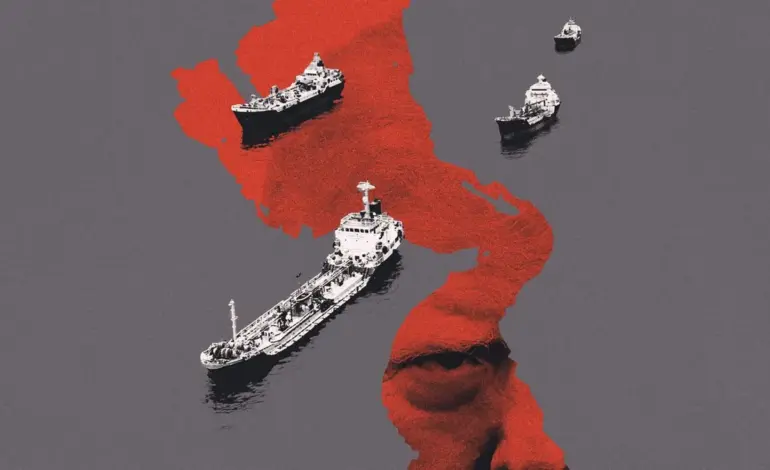
The immediate circumstances surrounding this event are alarming. Iran has threatened to shut down the Strait of Hormuz as a countermeasure to deter further U.S. and Israeli strikes. This threat is not merely rhetorical; the Strait is a narrow passage just 35 miles wide, making it a critical chokepoint for global energy supplies. President Trump has responded with a stark ultimatum, demanding Iran’s unconditional surrender following the U.S.-Israeli strike that resulted in the death of Iran’s Supreme Leader. He has warned that Iran must fully open the Strait of Hormuz within 48 hours or face obliteration of its power plants.
Operation Epic Fury, as it has been dubbed, reportedly aims to eliminate Iran’s leadership and degrade its capacity to terrorize the West. Trump’s military interventions have been characterized as swift, decisive, and effective, echoing the principle of “peace through strength” that defined Ronald Reagan’s approach during the Cold War. This military collaboration between the U.S. and Israel underscores a significant shift in the geopolitical landscape, with both nations working closely to counter perceived threats from Iran.
However, the broader implications of these actions extend beyond immediate military objectives. The global elites, often described as exhibiting traits of psychopaths, are accused of exploiting the subjugated as mere property and commodities. This perspective raises questions about the moral underpinnings of the new world order that seems to be taking shape, where the weak are obliterated by the strong, and the rule of law is increasingly absent.
As the situation unfolds, analysts like Robert Pape suggest that Trump may still seek a diplomatic resolution, but the political costs of such a deal are escalating. The lack of a clear off-ramp complicates the potential for de-escalation, leaving many to wonder about the long-term consequences of these military actions. The sentiment among critics aligns with that of Chris Hedges, who warns that the new world order is one characterized by barbarism and control, where genocide becomes an instrument of power.
In this context, George Orwell’s cautionary words resonate: “There will be no curiosity, no enjoyment of the process of life.” The implications of this new world order extend beyond military strategy; they touch on the very fabric of human experience and the values that underpin our societies. The fact that millions of people share the same vices does not make these vices virtues, as Erich Fromm reminds us, highlighting the moral dilemmas at play.
As the world watches these developments, the historical backdrop cannot be ignored. For 47 years, since the 1979 revolution, eight American presidents have grappled with the complexities of U.S.-Iran relations. Each administration has faced its own set of challenges, yet the current trajectory suggests a more aggressive stance that could redefine the balance of power in the region and beyond.
Details remain unconfirmed regarding the full extent of the military operations and their long-term impact. However, the rhetoric and actions taken by the U.S. and Israel signal a significant shift in the global order, raising critical questions about the future of international relations and the stability of the Middle East.