New Leadership in Iran
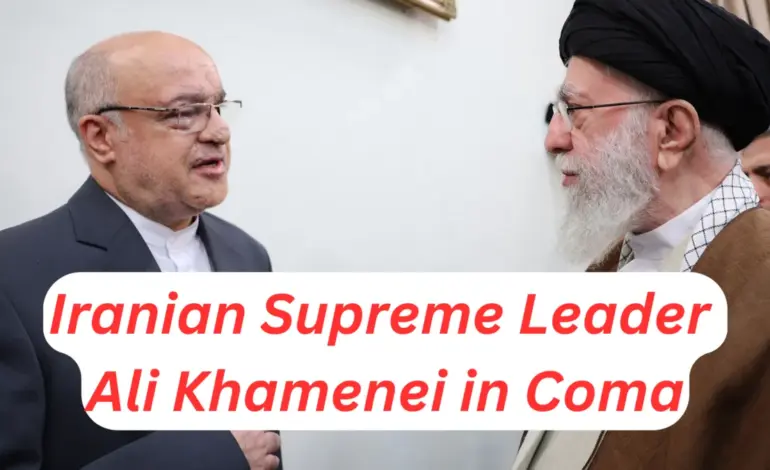
Mojtaba Khamenei has been named the new Supreme Leader of Iran following the death of his father, Ayatollah Ali Khamenei, during a major attack by Israel and the United States on February 28, 2026.
The Assembly of Experts confirmed Mojtaba Khamenei’s appointment based on a decisive vote, marking a significant moment in Iran’s political history as he becomes the third Supreme Leader of the Islamic Republic.
Immediate Circumstances
Ayatollah Ali Khamenei was 86 years old at the time of his death, which has led to a tumultuous period in Iranian politics. The US military has stated that Iranian strikes targeted regional assets in retaliation for the killing of the former leader.
Since the onset of the conflict, the Strait of Hormuz has experienced an 80 percent drop in vessel traffic, highlighting the escalating tensions in the region.
The leadership transition follows a sustained air campaign by the US and Israel against Iranian missile capabilities that began on February 28. This ongoing military operation has raised concerns about the stability of the new leadership under Mojtaba Khamenei, who is 56 years old.
Former US President Donald Trump expressed skepticism regarding Mojtaba Khamenei’s ability to maintain peace in the region, stating, “I don’t believe he can live in peace.” He added, “It’s possible–it depends on what terms. Possible, only possible.”
Reactions and Statements
The appointment of Mojtaba Khamenei has drawn mixed reactions both domestically and internationally. Observers are closely monitoring how the new Supreme Leader will navigate the challenges posed by ongoing military operations and regional instability.
Details remain unconfirmed regarding the full implications of this leadership change, but it is clear that Iran is entering a new chapter in its political landscape.