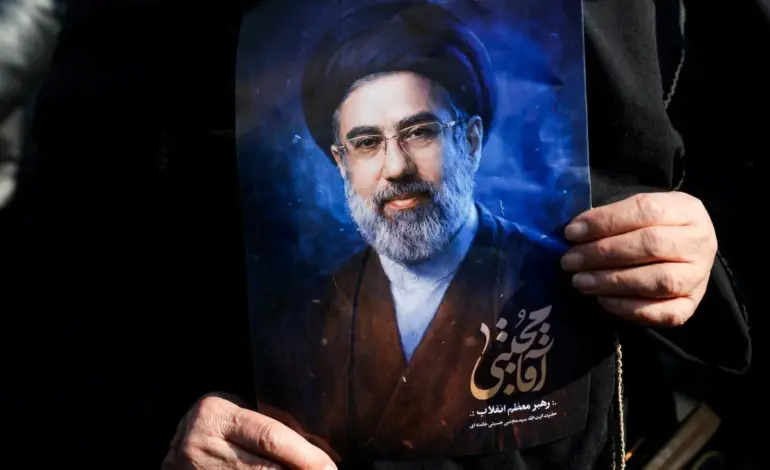
Transition of Power in Iran
The political landscape in Iran has undergone a significant transformation with the appointment of Mojtaba Khamenei as the new Supreme Leader on March 9, 2026. This change follows the death of his father, Ali Khamenei, who had held the position for over three decades. Prior to this development, expectations were high regarding the continuity of leadership, given the elder Khamenei’s long tenure.
Mojtaba Khamenei’s rise to power marks a decisive moment for the Islamic Republic, especially as it comes amid ongoing tensions with the United States and Israel. His appointment was met with immediate backing from Iran’s political and security establishment, indicating a strong internal support base. Mass rallies were held across Iran to celebrate his leadership, showcasing a united front in the face of external pressures.
International Reactions
The international response to Mojtaba Khamenei’s appointment has been mixed. Oman’s Sultan sent a congratulatory message, reflecting a supportive stance from some regional leaders. In contrast, US President Donald Trump criticized the appointment, calling it a mistake and expressing doubts about its longevity. This sentiment was echoed by Israel’s Foreign Ministry, which labeled Khamenei a ‘tyrant’ and issued threats against him.
In the wake of this leadership change, Russian President Vladimir Putin pledged unwavering support to Iran, emphasizing the need for strong leadership during a time of armed aggression. This support from Russia may bolster Iran’s position in the region, especially as it navigates complex geopolitical challenges.
Expert Perspectives
Experts have noted that Mojtaba Khamenei’s lack of formal government experience could pose challenges as he steps into this pivotal role. However, Mohammed Shia al-Sudani, the Iraqi Prime Minister, expressed confidence in Khamenei’s ability to lead during this sensitive stage, stating, “We express our confidence in the ability of the new leadership in the Islamic Republic of Iran to manage this sensitive stage.” This endorsement from a neighboring leader may help to stabilize perceptions of the new leadership.
As the Islamic Republic faces a significant crisis, the implications of Mojtaba Khamenei’s leadership will unfold in the coming months. His tenure is expected to require great courage and dedication, as highlighted by Putin’s remarks, indicating the high stakes involved in this transition.
Details remain unconfirmed regarding the full extent of the political and social ramifications of this leadership change, but the immediate reactions suggest a polarized view of Iran’s future under the new Supreme Leader.