Woman day 2026
Historical Context of International Women’s Day
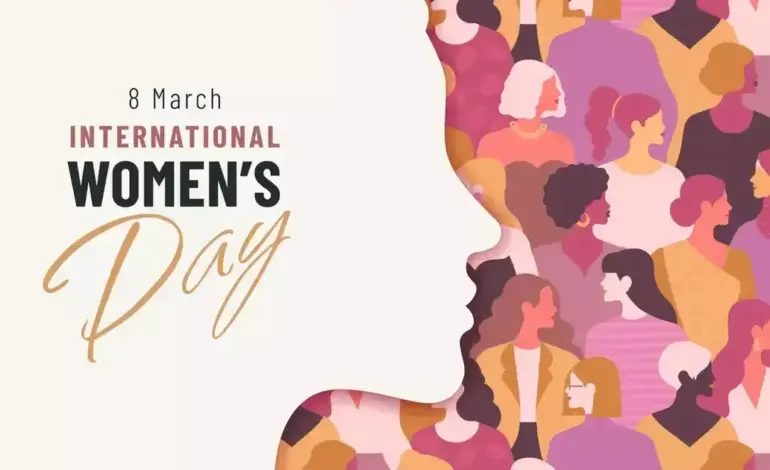
International Women’s Day has its roots in the labor movements of North America and Europe in the early 20th century. Initially celebrated on different dates, the day was officially recognized by the United Nations in 1977, marking a significant moment in the global fight for women’s rights. Traditionally observed on March 8, this day serves as a reminder of the progress made and the challenges that remain in achieving gender equality.
Shifts in Expectations for 2026
As we approach International Women’s Day 2026, the expectations surrounding the event have evolved significantly. The theme for 2026, “Rights. Justice. Action For ALL Women and Girls,” reflects a decisive shift towards a more inclusive approach to women’s rights. This change comes at a time when various initiatives in India, such as the Pradhan Mantri Matru Vandana Yojana and the Pradhan Mantri Ujjwala Yojana, have made substantial impacts on women’s empowerment. For instance, over ₹20,060 crore has been transferred to 4.26 crore beneficiaries under the Matru Vandana Yojana, highlighting the government’s commitment to supporting women.
Immediate Effects on Women in India
The immediate effects of these initiatives are evident in the rising participation of women in education and the workforce. In the academic sphere, women constitute over 53% of UGC NET-JRF scholars in STEM subjects for the fiscal year 2024-25, showcasing a significant increase in female representation in traditionally male-dominated fields. Furthermore, the Female Gross Enrolment Ratio (GER) has risen from 22.9 to 30.2 between 2014-15 and 2022-23, indicating a positive trend in women’s access to education.
Government Initiatives and Their Impact
Government programs aimed at empowering women have also contributed to preventing child marriages and improving health and safety. As of January 2026, a total of 2,153 child marriages have been prevented in India, a crucial step towards ensuring that girls can pursue their education and personal development without the burden of early marriage. Additionally, more than 10.56 crore LPG connections have been provided to women under the Pradhan Mantri Ujjwala Yojana, enhancing their quality of life and promoting health and safety in households.
Expert Perspectives on the Shift
Experts emphasize the importance of these developments in the context of the broader fight for gender equality. The global campaign theme for 2026, “Give to Gain,” underscores the idea that empowering women benefits society as a whole. By investing in women’s rights and education, communities can foster economic growth and social stability. As noted by various analysts, the progress made in recent years is a testament to the collective efforts of activists, policymakers, and communities working towards a more equitable future.
Looking Ahead to 2026
As International Women’s Day 2026 approaches, the focus will likely remain on amplifying the voices of women and advocating for their rights. The Constitution of India guarantees equality before the law and prohibits discrimination based on sex, yet challenges persist. The ongoing efforts to address these issues will be crucial in shaping the future landscape for women in India and beyond.
While significant strides have been made in the pursuit of gender equality, the journey is far from over. As we prepare to celebrate International Women’s Day 2026, it is essential to reflect on the progress achieved and the work that remains. Details remain unconfirmed regarding future initiatives, but the commitment to women’s rights and empowerment continues to gain momentum.