Wynton Marsalis: A Deep Dive into His Musical Legacy
Introduction
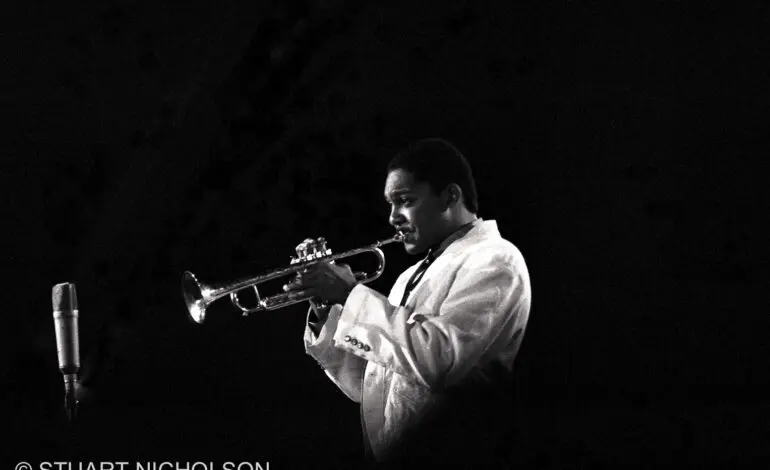
Wynton Marsalis is a name synonymous with jazz music and its evolution. With a storied career that spans over three decades, Marsalis has not only dazzled audiences worldwide with his virtuoso trumpet skills, but has also actively participated in cultural dialogue through the arts. His contributions to jazz education and advocacy for the genre highlight the importance of preserving this unique American art form.
The Journey of a Jazz Virtuoso
Born in New Orleans in 1961, Wynton Marsalis was surrounded by musical influences from an early age. He began playing the trumpet at the age of twelve and quickly developed a passion for jazz, inspired by legends such as Louis Armstrong and Duke Ellington. After studying at the Juilliard School, he made his professional debut in the early 1980s, rapidly gaining recognition for his technical prowess and innovative approach.
A Multifaceted Career
Over the years, Marsalis has released more than 40 albums, earning multiple Grammy Awards and a Pulitzer Prize for Music in 1997 for his composition “Blood on the Fields.” His music often blends classical themes with jazz, marking him as a unique figure in both worlds. Marsalis’ performances, characterized by a deep respect for jazz roots, routinely draw sold-out crowds.
Advocacy and Education
Aside from his performance career, Marsalis is a passionate advocate for arts education. He serves as the artistic director of Jazz at Lincoln Center, where he has played a pivotal role in promoting jazz through educational programs, festivals, and performances. He frequently emphasizes the importance of nurturing young talents, asserting that the arts provide a foundation for personal and social development.
The Contemporary Impact of Wynton Marsalis
In recent years, Marsalis continues to be a voice for cultural awareness, speaking out on the role of music in social issues. In the wake of the COVID-19 pandemic, he has addressed the impact on musicians and the need for community support for the arts. He remains an influential figure, not just in jazz, but in the broader cultural landscape, promoting the importance of artistic expression in times of uncertainty.
Conclusion
Wynton Marsalis embodies the spirit of jazz, skillfully bridging tradition and innovation. His commitment to educating future generations and preserving jazz as a vital part of American culture ensures that his musical legacy will endure. As the world continues to navigate a complex cultural landscape, figures like Marsalis remind us of the power of art to inspire and unite communities.