Governance: DMK Questions Anti-Incumbency in BJP-Ruled States
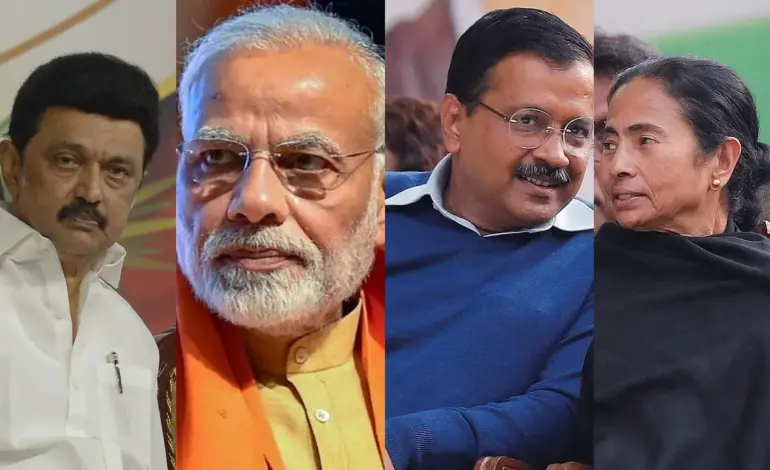
“How is it that the anti-incumbency wave is only seen in opposition-ruled states?” This pointed question from the DMK highlights a curious political landscape where BJP-ruled states seem immune to voter backlash, even after years in power.
The DMK’s argument rests on a factual foundation. In states like Madhya Pradesh, the BJP has held power for nearly two decades, with only brief interruptions. Meanwhile, they have consistently secured re-election in Bihar and Assam, raising eyebrows about their apparent invulnerability.
This contrasts sharply with the experiences of opposition parties in regions such as Delhi and Punjab, where anti-incumbency sentiments have played a significant role in electoral outcomes. The DMK’s inquiry underscores a compelling narrative—why does this anti-incumbency sentiment not appear to affect BJP-ruled states?
The party further critiques media portrayals that frame the BJP as an unbeatable force. “We need to understand this reality,” a DMK spokesperson stated, suggesting that public perception may be skewed by selective reporting.
The situation is complicated by voter fragmentation, particularly in northern states, which tends to benefit the BJP. This fragmentation makes it increasingly challenging for opposition parties to mount successful campaigns against incumbents.
Moreover, rising prices and unemployment are pressing issues that the DMK emphasizes. Yet, these problems seem to have little impact on voter loyalty towards the BJP. The party has also criticized the focus on religious sentiments during elections—an approach they believe distracts from critical governance issues.
The DMK describes this phenomenon as a “puzzle” that needs deeper examination. Their leadership under Stalin has been marked by efforts to address local grievances, yet they find themselves questioning why similar efforts do not resonate against the BJP’s long-standing rule.
As political analysts watch closely, the next developments are anticipated as state elections loom. Will these questions lead to shifts in voter sentiment or remain rhetorical? Only time will reveal how this discourse shapes future electoral dynamics.