What You Need to Know About Havana Syndrome
Introduction
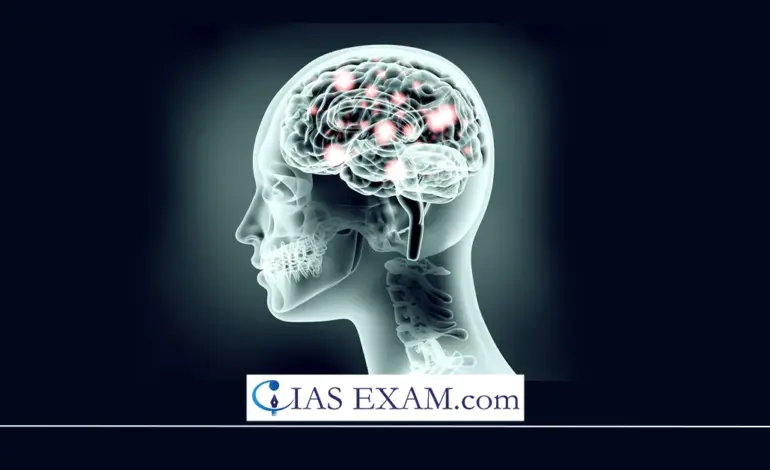
Havana Syndrome has become a focal point of discussions surrounding the health of diplomats and government officials. This mysterious illness first emerged in 2016 when American and Canadian diplomats stationed in Havana, Cuba, reported hearing strange noises followed by symptoms like headaches, dizziness, and auditory disturbances. The intrigue surrounding this syndrome highlights the importance of understanding potential health threats faced by personnel abroad and has significant implications for international relations and diplomacy.
The Emergence of Havana Syndrome
The phenomenon gained international attention when more than 200 individuals, primarily U.S. and Canadian diplomats, experienced similar symptoms. In recent years, incidents have been reported in various locations, including China, Russia, and even the United States. Affected individuals describe their experiences as incredibly distressing and life-altering, often leading to long-term health consequences.
Theories and Investigations
As rumors and speculations escalated, various theories emerged regarding the cause of Havana Syndrome. Some researchers have posited that it could be the result of directed energy weapons, while others suggest that exposure to toxic substances or psychological factors may be at play. The U.S. government has invested significant resources into investigating these incidents, seeking to uncover definitive evidence of the syndrome’s origins and prevent further occurrences.
Recent Developments
In August 2023, reports indicated that the CIA launched a task force at the request of Congress to investigate unexplained health incidents further. This task force aims to improve the response to Havana Syndrome cases, ensure better communication with affected individuals, and seek answers regarding long-term health impacts. The agency’s renewed focus also reflects growing bipartisan concern regarding national security and the welfare of diplomats worldwide.
Conclusion
Havana Syndrome remains a topic of intrigue and concern. As investigations continue, there is hope for a better understanding of the syndrome and its potential causes. For former and current diplomats, as well as their families, the implications are significant, raising questions about health safety and the responsibilities of governments to protect their personnel. With more research and committed efforts, the mysteries surrounding Havana Syndrome could shed light on broader public health issues, reaffirming the need for preparedness in facing new medical challenges.