Understanding Kim Jong Un and His Leadership in North Korea
Introduction
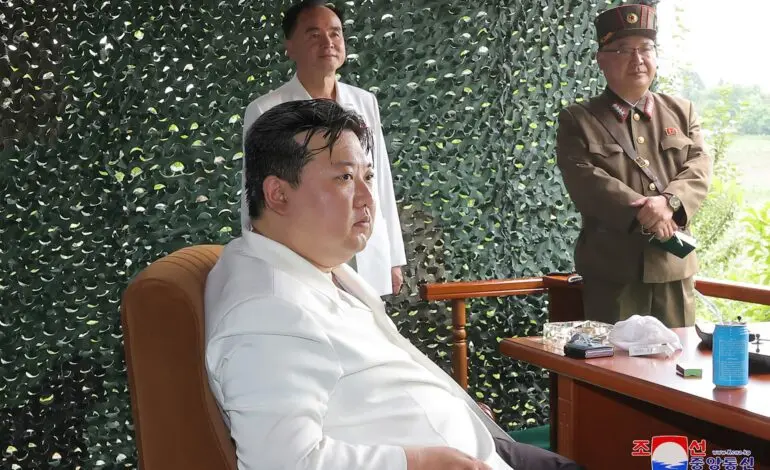
Kim Jong Un, the Supreme Leader of North Korea, has become one of the most controversial and influential figures in modern geopolitics. His leadership style, nuclear ambitions, and interactions with global powers have garnered significant attention and concern worldwide. Understanding his role in shaping North Korea’s policies and its implications for global security is crucial, especially in a time of heightened tensions.
Recent Developments
In recent months, Kim Jong Un has been vocal about his military aspirations, emphasizing the need for North Korea to bolster its defenses amid perceived threats from the United States and South Korea. Reports confirm that he has overseen various missile tests, showcasing advancements in North Korean military technology. These tests serve not only as a demonstration of strength but also as a political tool to negotiate with other nations.
Moreover, Kim’s regime has faced increasing isolation due to stringent sanctions imposed by the international community in response to its nuclear program. In a recent address, Kim criticized these sanctions and reaffirmed his commitment to advancing the country’s military capabilities and self-sufficiency.
International Relations
Kim Jong Un’s approach to foreign policy has been characterized by a mix of belligerence and diplomatic overtures. His historic summits with former U.S. President Donald Trump were seen as a breakthrough; however, subsequent negotiations have stalled. As of 2023, Kim’s efforts to engage with China and Russia seem to be intensifying, with reports indicating military cooperation between these nations. This shift reflects a broader strategy to counterbalance U.S. influence in the region.
Domestic Issues
Internally, the struggles of the North Korean people have come to the forefront, particularly following the COVID-19 pandemic, which severely impacted the country’s already strained economy. Kim’s administration has faced criticism for its inability to provide basic needs. In response, he has launched campaigns promoting self-reliance to mitigate these issues, while simultaneously tightening control over dissent and information.
Conclusion
The implications of Kim Jong Un’s leadership extend beyond North Korea, influencing regional stability and global security. His continued military advancements and strategic partnerships challenge the status quo and could signal future conflicts if diplomatic resolutions are not pursued. As nations observe his actions, it becomes increasingly important for the global community to engage collectively in dialogues aimed at peaceful resolutions, ensuring that the repercussions of his decisions do not lead to further escalations. The world watches closely, anticipating how Kim Jong Un will navigate the complexities of domestic and international pressures in the years to come.