Understanding Gen Z: Characteristics and Cultural Impact
The Importance of Understanding Gen Z
Generation Z, often referred to as Gen Z, is the cohort born between the mid-1990s and early 2010s. As this generation comes of age, understanding their unique characteristics, behaviors, and cultural influences is crucial, not just for marketers and educators, but for society as a whole. Gen Z has been shaped by significant global events such as the COVID-19 pandemic, social justice movements, and rapid technological advancements, making them a vital focus for discussions about the future.
Key Characteristics of Gen Z
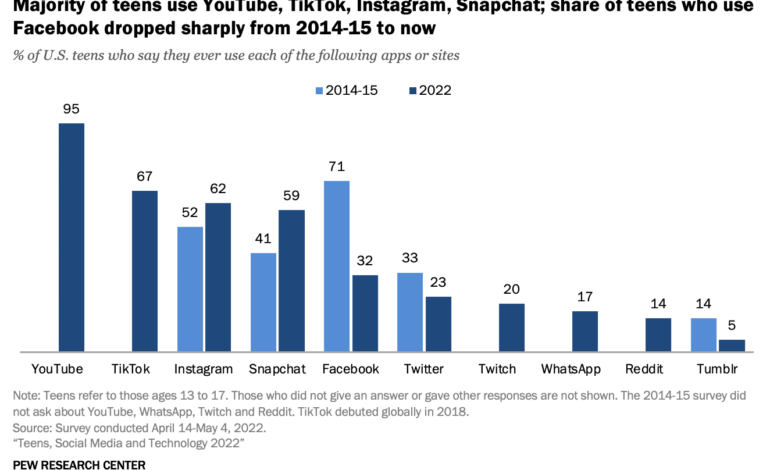
Gen Z exhibits a range of distinctive traits that set them apart from previous generations. They are known for their digital fluency, having grown up with smartphones and social media, which has greatly influenced their communication style and social interactions. According to a recent Pew Research study, approximately 95% of Gen Z members have access to a smartphone, making them the most connected generation to date. Additionally, Gen Z is known for their strong advocacy for social and environmental issues, with many prioritizing sustainability and equality in their purchasing and lifestyle choices.
Challenges Faced by Gen Z
Despite their strengths, Gen Z faces unique challenges. The pandemic has led to increased mental health issues among young people, with a survey by the American Psychological Association revealing that 91% of Gen Z teens reported feeling stressed by the state of the world. This generation is also confronted with the pressures of academic achievement and the uncertainties of entering the job market during tough economic conditions. Understanding these challenges is crucial for parents, educators, and employers who aim to support and empower them.
Gen Z’s Cultural Impact
As Gen Z continues to grow into adulthood, their influence on culture, politics, and consumer trends is becoming more pronounced. They prefer brands that reflect their values, and businesses are beginning to adapt their marketing strategies to engage with this socially-conscious generation. Platforms like TikTok have emerged as crucial spaces for Gen Z to express their creativity and initiate social movements, further solidifying their role as trendsetters in both digital and real-world arenas.
Conclusion and Future Outlook
As Gen Z becomes a significant part of the workforce and consumer economy, their influence will only increase. The focus on mental health, social responsibility, and sustainability is likely to reshape industries and societal norms in the years to come. Observing and understanding Gen Z will be essential for anyone looking to navigate the changing landscape of the modern world.